Physical Address
304 North Cardinal St.
Dorchester Center, MA 02124
Physical Address
304 North Cardinal St.
Dorchester Center, MA 02124
Your Go-To for Digital Advice
Your Go-To for Digital Advice

Discover practical tech insights that empower parents to manage digital challenges at home. Dive into our curated newsletter, trusted by over 50,000 parents, delivering expert guidance every month.
Welcome to the first issue of the Understand Tech Newsletter — practical guidance for parents navigating technology at home.

Each issue covers one big idea in plain English, plus actionable guides you can use tonight. No scaremongering. No jargon. Just what actually works when raising digital kids.
Over 50,000+ parents rely on Understand Tech for honest, research-backed tech guidance. This newsletter brings the best of it directly to your inbox, every month.
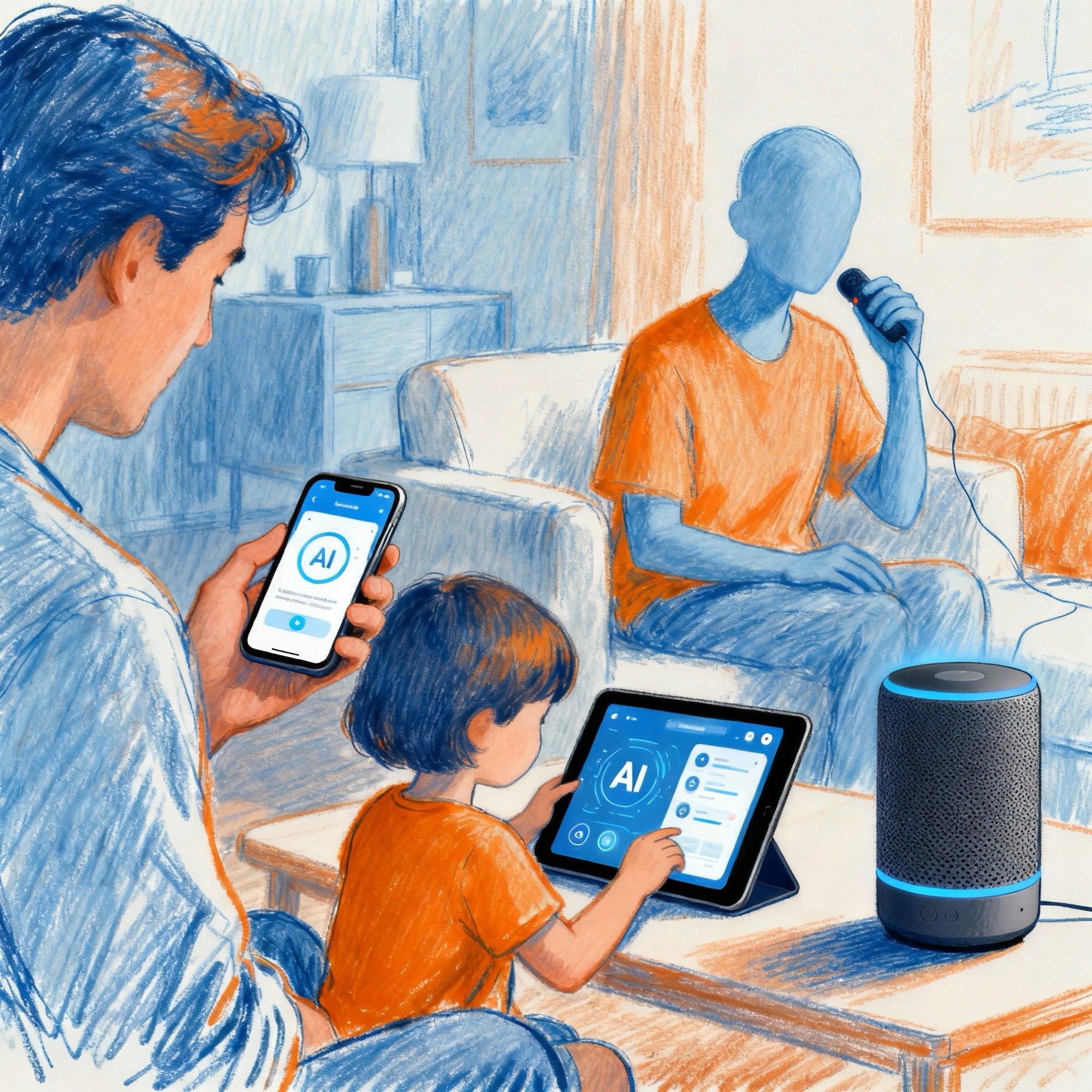
We live in an age of addition. Apps add features. Notifications multiply. Your phone’s home screen becomes a gallery of icons you forgot you installed. AI promised to help, but often it just adds another layer of complexity.
I ran a simple test in November: I identified every technology that adds friction to family life, then asked a brutal question: Does this tool remove a problem, or create one?
Tools that stayed:
Tools that left:
Before downloading a new app or enabling an AI feature, ask: Does this remove friction, or add it? If it adds another tab, notification, or decision point—no matter how useful—it probably is not worth it.
The best technology is invisible. It works. You do not think about it. And then your life is just a little bit easier.
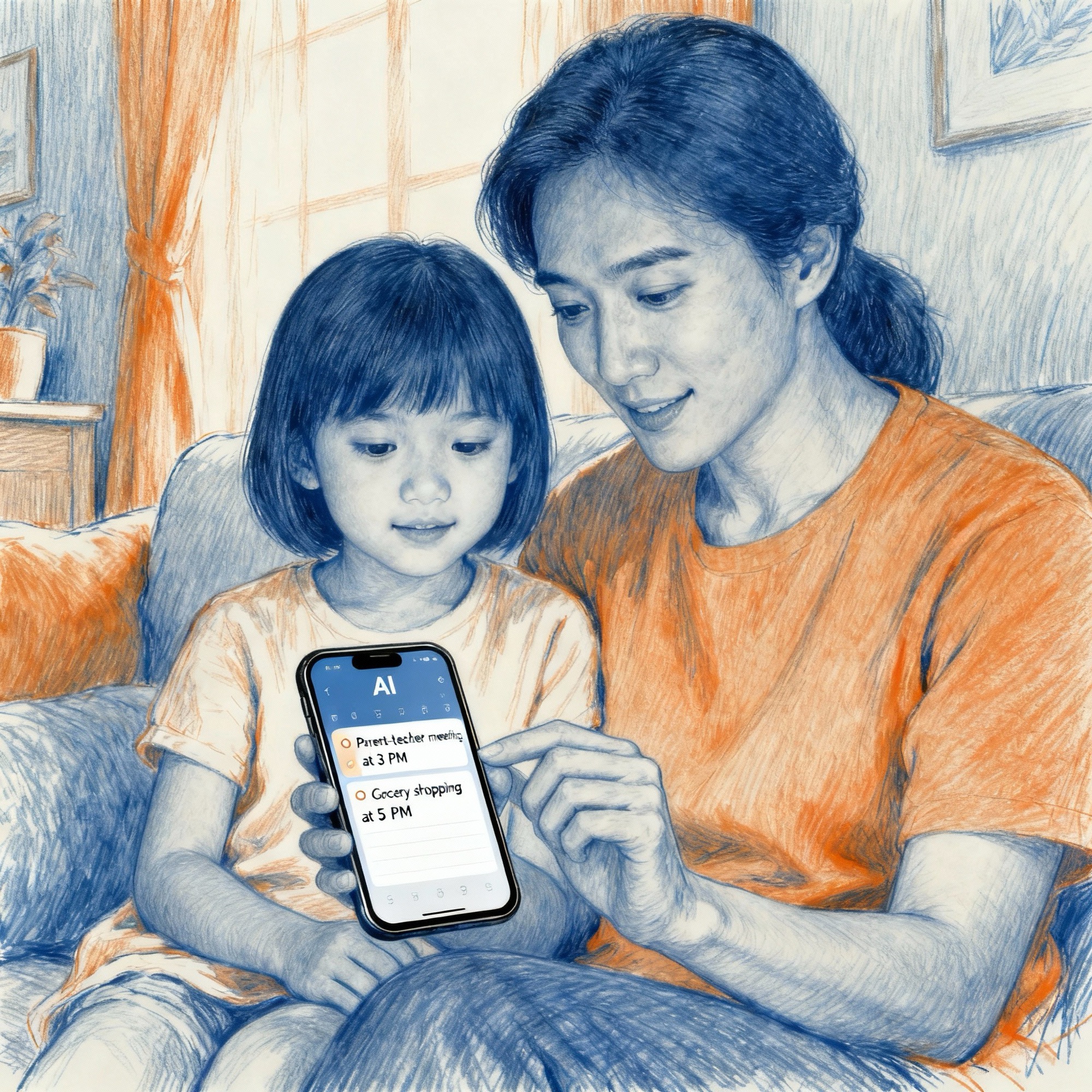
Here is the uncomfortable truth: when you use AI to make your life easier, you are trading data for convenience. Apple’s on-device processing keeps your health data private. ChatGPT sends your prompts to their servers. Google’s systems analyze your behaviour to refine recommendations.
None of these is inherently bad, but you should know the trade-off. Before enabling any AI tool, ask: Who owns my data? Can I delete it? Could it be used against me?
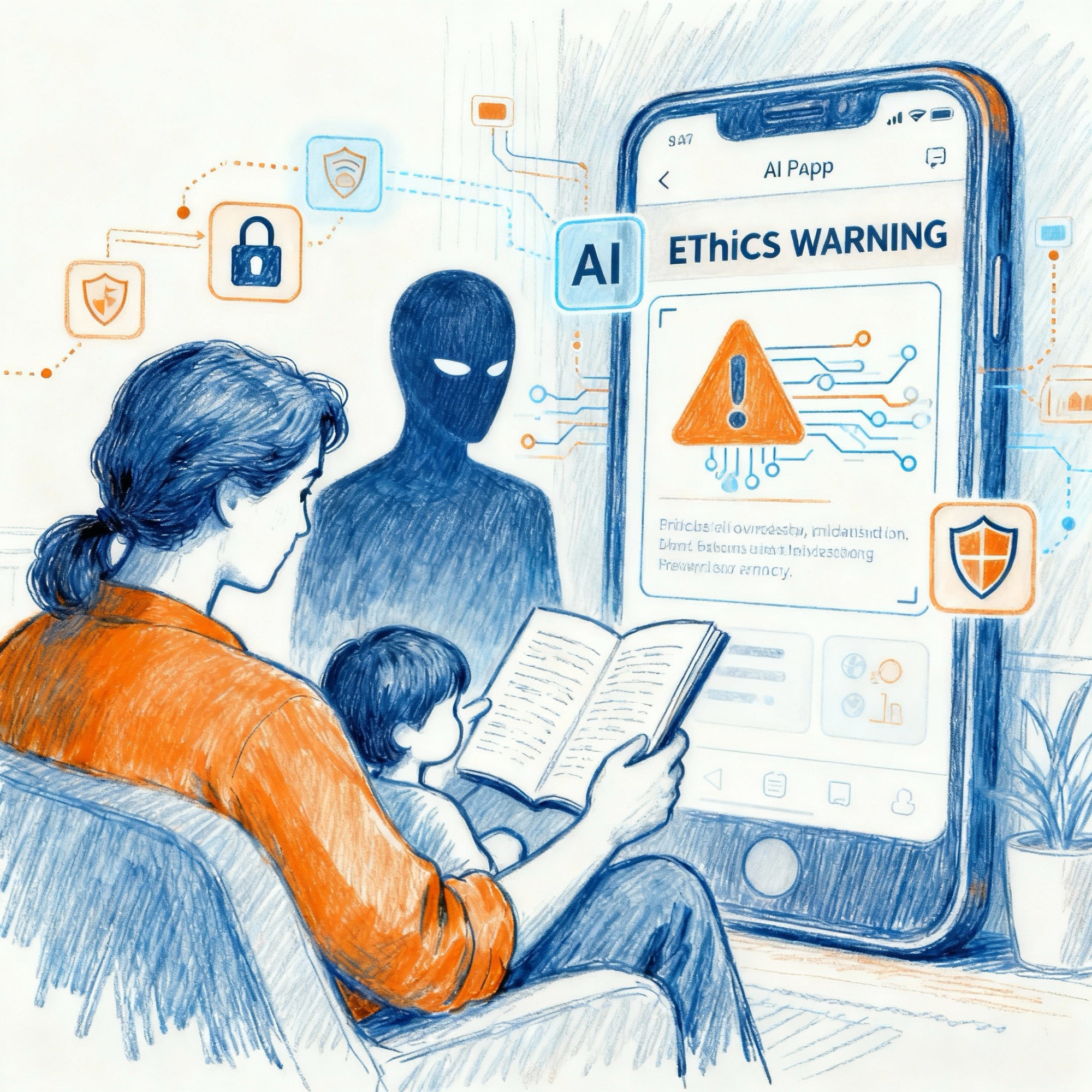
Discord is not just a chat app. Think of it as an infinite library of communities—some welcoming, some chaotic, some genuinely toxic. If your teenager uses Discord (and statistically, 64% of UK teens do), you should understand what it is and how to keep them safe in it.
What parents need to know:

The internet most people use—Google, Facebook, YouTube—is only about 10% of what exists. Beneath it lies the deep web: private email inboxes, online banking portals, school systems. Go deeper still, and you reach the dark web: deliberately hidden networks where anonymity is the whole point.
The dark web is not inherently criminal. Journalists use it to communicate securely. Activists in authoritarian countries use it to organise. But it is also where illegal things happen, and it is absolutely no place for unsupervised children to explore.
The reality: Most teens have never accessed the dark web and never will. But some are curious. If your child asks about it, your answer should be honest: “It exists, it has legitimate uses, and it has serious dangers. Let’s talk about why you are curious instead of pretending it is not there.”
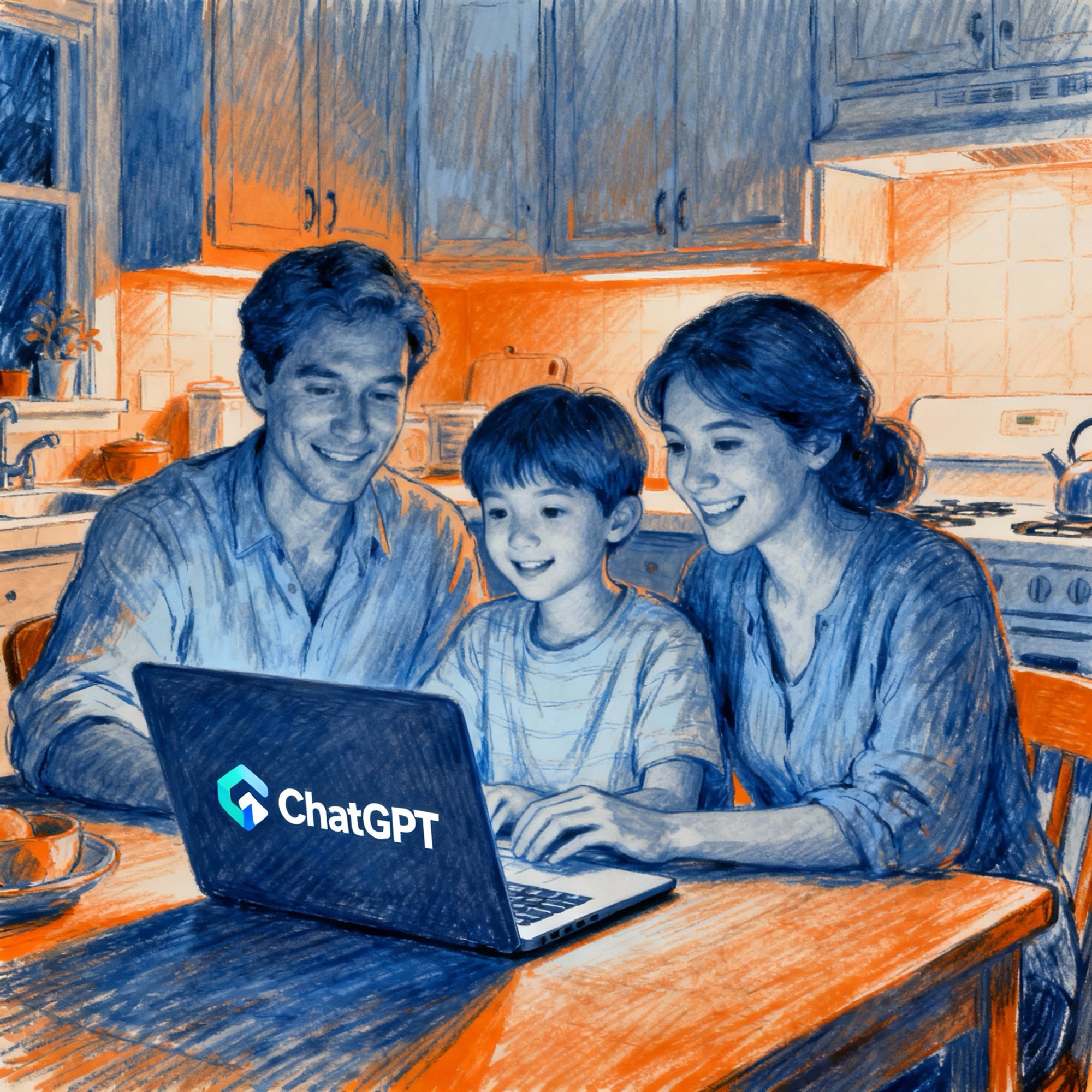
Starting September 2028, UK primary pupils will learn to spot fake news and AI-generated content as part of their standard curriculum. This is a major shift in how we teach children to navigate information.
Alongside this: New lessons in financial literacy will teach children about saving, budgeting, understanding money, and (importantly) avoiding financial scams.
Why now? Because:
This is overdue. Teaching critical thinking about information and money should have started years ago. But better late than never.
Is screen time actually bad? (Spoiler: it is complicated.) What does the research actually say? And what realistic boundaries can you set that your teenagers will not immediately resent?
We are diving into the nuance. Subscribe to get it in your inbox next month.
We send one email per month. Never spam. Cancel anytime. You can also follow us on Instagram and Facebook at @understandtech_uk for weekly tips.
Share this newsletter with someone navigating technology at home. The more calm, evidence-based voices we have in the mix, the better the internet becomes for our kids.