Physical Address
304 North Cardinal St.
Dorchester Center, MA 02124
Physical Address
304 North Cardinal St.
Dorchester Center, MA 02124

Your Go-To for Digital Advice
Your Go-To for Digital Advice

Ensure your child's online safety with essential social media tips for kids. This expert parent guide empowers you to keep children secure in the digital age.

In an increasingly digital world, parents face the daunting task of ensuring their children navigate social media safely. This comprehensive guide will equip you with essential social media safety tips, focusing on the risks, management strategies, and tools available to protect your children online. As social media platforms become integral to youth communication, understanding the potential dangers is crucial for parents. This article will explore key risks such as cyberbullying and digital footprints, effective screen time management techniques, and the best parental control tools. By the end, you will be better prepared to foster a safe online environment for your children.
Want a clear, jargon‑free answer right now? Ask our free AI tech chatbot for UK parents about Roblox, TikTok, screen time and more in seconds – try it here.
Social media presents several risks that parents must be aware of to protect their children effectively. These risks include cyberbullying, online predators, and the impact of misinformation. Understanding these dangers is the first step in safeguarding your child’s online experience.
Indeed, various sources highlight the multifaceted dangers children face online, from cyberbullying to interactions with predators.
Online Dangers for Children: Cyberbullying, Sexting & Predators
Unfortunately, many of the things kids can do online and with their cell phones can lead to a lot of trouble if they are not monitored. From watching porn and other inappropriate video and websites to sexting (sending inappropriate text messages or photographs) and chatting with predators, new technology can lead to new problems. Cell phones and the internet have even led to new ways for kids to be bullied or cyber bullying.
Parental control system for children on wireless network, 2020

Cyberbullying is a pervasive issue that can have severe consequences for children, including anxiety, depression, and even suicidal thoughts. Statistics show that approximately 37% of young people between the ages of 12 and 17 have been bullied online. Parents can prevent this by fostering open communication, encouraging children to report any incidents, and monitoring their online interactions. Additionally, educating children about the importance of kindness and respect online can help mitigate the risks associated with cyberbullying.
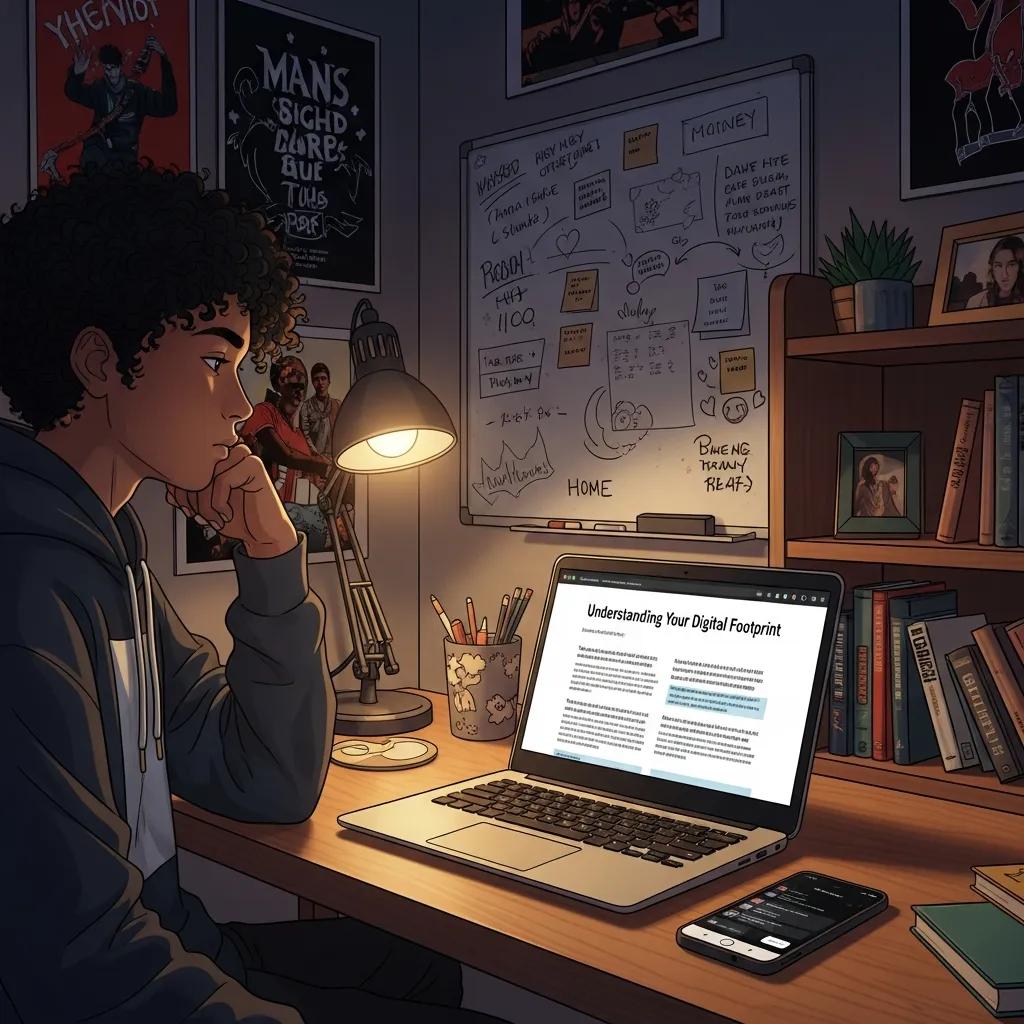
A digital footprint refers to the trail of data that individuals leave behind when using the internet, including social media activity, website visits, and online purchases. For youth, understanding their digital footprint is crucial as it can impact their future opportunities, such as college admissions and job prospects. Parents should educate their children on managing their digital footprints by being mindful of the information they share online and adjusting privacy settings on their social media accounts.
Further emphasising this point, experts define the digital footprint as the comprehensive record of an individual’s online activities and shared information.
Understanding Children’s Digital Footprints Online
When individuals engaged with the Internet, they generated a complex trail of these digital footprints that may include their various presentation of self, based on social profiles and comments, traces of their activities, interest, interaction and anything else they choose to share online.
Awareness of digital footprint management in the new media amongst youth, TSM Wook, 2019
Managing screen time is essential for maintaining a healthy balance between online and offline activities. Experts recommend setting clear guidelines and limits on screen time to promote well-being and prevent excessive use.
Experts suggest the following age-appropriate screen time guidelines:
These guidelines help parents create a balanced media diet for their children, promoting healthier habits.
Creating a family media plan involves setting specific rules and expectations regarding screen time. Here are key components to consider:
By involving the entire family in the planning process, parents can foster a collaborative approach to managing screen time.
Parental control tools and privacy settings are essential for monitoring and managing children’s online activities. These tools can help parents ensure their children are safe while using social media.
Setting up privacy settings on social media platforms is crucial for protecting children’s information. Here are steps for popular platforms:
By customising these settings, parents can help safeguard their children’s online presence.
Several parental control apps can assist in monitoring social media use effectively. Here are some of the best options:
These tools empower parents to stay informed about their children’s online interactions and help mitigate potential risks.
Fostering digital literacy is essential for helping children navigate the online world responsibly. Parents play a crucial role in teaching their children about safe and responsible social media use.
To teach children safe social media practices, consider the following strategies:
By instilling these values, parents can empower their children to make informed decisions online.
Social media can significantly impact mental health, with studies linking excessive use to anxiety, depression, and low self-esteem. Parents can support their teens by:
By being proactive, parents can help mitigate the negative effects of social media on their children’s mental health.
Understanding legal age limits and privacy concerns is vital for parents navigating their children’s social media use. Each platform has specific age requirements that parents should be aware of.
The minimum age requirements for popular social media platforms are as follows:
These age limits are in place to protect younger users from potential risks associated with social media.
To protect children’s online privacy, parents should:
By taking these steps, parents can help safeguard their children’s privacy in the digital landscape.
This table highlights the key features of popular parental control tools, demonstrating their effectiveness in promoting online safety for children.
In conclusion, understanding social media safety is essential for parents concerned about their children’s online experiences. By being aware of the risks, managing screen time effectively, utilising parental control tools, and fostering digital literacy, parents can create a safer online environment for their children. Empowering children with knowledge and skills will help them navigate the digital world responsibly and confidently.
Want a clear, jargon‑free answer right now? Ask our free AI tech chatbot for UK parents about Roblox, TikTok, screen time and more in seconds – try it here.