Physical Address
304 North Cardinal St.
Dorchester Center, MA 02124
Physical Address
304 North Cardinal St.
Dorchester Center, MA 02124

Your Go-To for Digital Advice
Your Go-To for Digital Advice
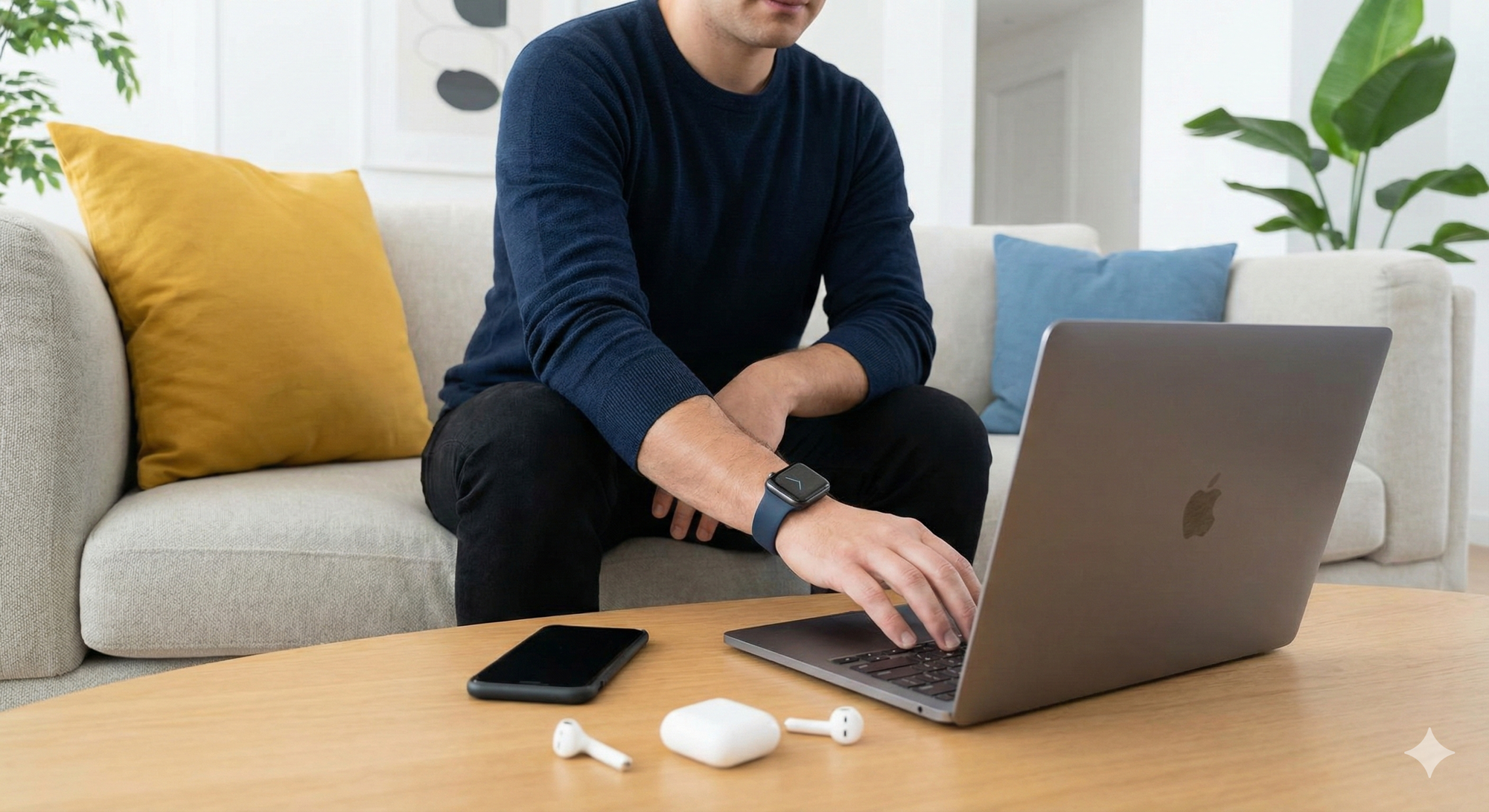
Here’s the truth: every tech company wants you to believe their product is revolutionary. But what you actually need is clarity, not complexity.
This guide covers hands-on reviews, budget-based buying guides, honest deals analysis, and what’s worth waiting for.
In 2026, consumer tech is crowded, sophisticated, and expensive. Your job is simple: make an informed decision that protects your money and your time.

This isn’t about hype. It’s about helping you understand what tech is actually worth your money—right now—and what’s coming next so you don’t waste it.
Want a clear, jargon‑free answer right now? Ask our free AI tech chatbot for UK parents about Roblox, TikTok, screen time and more in seconds – try it here.
Flagship phones now feature AI-powered cameras, better battery management, improved processing speed, and computational photography that works in real-world conditions. The Samsung Galaxy S25 Ultra (£1,299), iPhone 16 Pro Max (£1,199), and Google Pixel 9 Pro XL (£1,099) all offer compelling improvements over 2024 models.
⚠️ Real Talk: If you own a 2023 or 2024 flagship, the improvement is incremental. If you have a 2022 or earlier model, these upgrades feel revolutionary.
| Feature | 2024 Flagship | 2026 Flagship | Real-World Difference |
|---|---|---|---|
| Camera in low light | Good | Excellent | 40% improvement in clarity and detail |
| Battery life (heavy use) | 1.5 days | 2+ days | Meaningful for frequent travelers |
| AI features | Basic | Integrated & useful | Photo editing, voice transcription seamless |
| Gaming performance | Smooth 120Hz | Smooth 144Hz | Barely noticeable to most users |
| 5G speeds | Fast | Faster | No practical difference outside major cities |
The mid-range phone market has exploded. Devices like the Samsung Galaxy A55 (£449), Google Pixel 8a (£349), and iPhone 15 (£699) offer 85% of flagship performance at half the price.
Price: £250–£400
Best for: People who want a second screen for notifications, contactless payments, fitness data integrated with larger ecosystem.
Real value: If you already have an iPhone or Android phone, the smartwatch extends your notifications to your wrist. Genuinely useful for avoiding constant phone checks.
Price: £150–£300
Best for: Runners, cyclists, triathlon athletes, people who want specialized training metrics and extended battery life.
Real value: Advanced running metrics (VO2 max, pace zones, recovery time). 10+ day battery life compared to 1-2 days on smartwatches.
Real talk: Consumer wearable sleep tracking is useful for trends but not clinical accuracy. If you’re sleeping consistently 7–9 hours and feel rested, the sleep stage percentages from your watch are largely meaningless.
Wearables measure heart rate variability (HRV) and movement, which they use to estimate sleep stages. They cannot actually measure REM vs deep sleep (requires EEG), sleep debt, or clinical sleep quality.
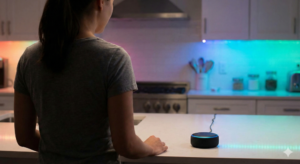
Smart lights are the easiest entry point into smart homes. Why? They replace existing bulbs, require no installation, and have immediate, visible results.
Smart thermostats like Nest, Ecobee, and Hive learn your preferences, adjust temperature based on occupancy and weather, and can reduce energy bills by 10–15%.
Setup requirements: Most need a C-wire (common wire) in existing wiring. Installation can be tricky; professional installation costs £100–£200.
| Platform | Best For | Strength | Weakness |
|---|---|---|---|
| Apple HomeKit | iPhone users | Maximum privacy, encrypted on device | Smaller ecosystem, requires HomeKit hub |
| Google Home | Android users | Extensive device compatibility | Collects significant data |
| Amazon Alexa | Budget buyers | Most device compatibility, cheapest | Aggressive data collection |

Best for: Casual gaming, fitness, social VR
Real value: Wireless gameplay, color passthrough, growing app ecosystem
Motion sickness: Minimal with most games, manageable with experience
Best for: Creative professionals wanting mixed reality
Real value: Work in virtual spaces, blend digital and physical, premium build
Honest verdict: Premium experience but niche product. Most people don’t need this.
| Product | Price | Real Value | Who Should Buy |
|---|---|---|---|
| Anker USB-C Power Bank 30W | £25–£35 | Fast charging backup power | Frequent travelers |
| Wyze Video Doorbell | £30–£40 | Basic video doorbell with storage | Renters wanting basic security |
| TP-Link Smart Plug WiFi | £15–£25 | Automate device on/off | Smart home beginners |
| Fire TV Stick 4K | £35–£45 | Streaming with Alexa | Anyone without smart TV |
💡 Real budget: £2,500–£4,000 for quality remote work setup
💡 Real budget: £4,000–£7,000 for serious creator setup
💡 Real budget: £1,200–£2,000 for family tech
| Factor | iPhone (iOS) | Android |
|---|---|---|
| Security | App Store curation reduces malware | More variable depending on manufacturer |
| Privacy | Apple doesn’t monetize user data | Google collects significant data |
| Longevity | 5–6 year software support | Variable (Samsung: 5+ years) |
| Cost | Flagship starts £999 | Great phones from £300–£600 |
| Customization | Limited | Extensive (launchers, themes, mods) |
The rumor: Apple developing foldable iPhone with 7.8-inch display, creaseless screen, launching late 2026 or 2027.
Realistic expectations:
The rumor: Apple Glasses launching late 2026, lightweight AR glasses with AI integration, estimated £300–£500.
Realistic expectations:
⏳ Real recommendation: First-gen AR glasses are for early adopters. Wait for second-gen (2028–2029).
Budget foldables (Motorola Razr, Samsung Galaxy Z Flip) dropping to £600–£800, making them viable for mainstream buyers within 2 years, representing 10–15% of flagship market.
Local AI processing (not cloud-dependent), natural language understanding, context-aware automation, privacy-focused AI (data stays on device). AI moves from “cool feature” to essential infrastructure.
Fast 100W charging already in flagships (0–100% in 15–20 minutes). Sub-hour full charging standard by 2027. Graphene battery phones arriving 2026–2027. Multi-day battery life becomes reality for heavy users.
Strategic purchasing isn’t just about price—it’s about timing, need, and value alignment.
| Product | Current Price | Timeline | Recommendation |
|---|---|---|---|
| Flagship Phone | £999 | Newer mid-2026 | Buy if needed |
| Foldable Phone | £1,600+ | Budget mid-2026 | Wait 6 months |
| Smart TV | £400–£1,200 | New models spring | Wait 6 months |
| VR Headset | £500–£700 | Quest 4 late 2026 | Buy if needed |
| Smart Home Kit | £100–£300 | Matter standard mid-2026 | Buy now |
Devices with 5-year viability, good support, meaningful features
Honest breakdown: which provide genuine value vs money sinks
Tesla Pi Phone, AI toothbrushes, gimmick devices unmasked
Mid-range phones, foldables, smart home entry points explained
Separating real AI benefits from buzzword deployment
Deep dive after realistic use period instead of launch hype
Technology is excellent at solving real problems. It’s terrible at solving problems you don’t have.
Tech is valuable when it saves time, improves productivity, or creates genuine enjoyment. Approaching purchases with this framework—informed by honest reviews, real comparisons, and understanding what’s coming—transforms you from a consumer into a strategic buyer.
Want a clear, jargon‑free answer right now? Ask our free AI tech chatbot for UK parents about Roblox, TikTok, screen time and more in seconds – try it here.
That’s what understanding tech actually means.