Physical Address
304 North Cardinal St.
Dorchester Center, MA 02124
Physical Address
304 North Cardinal St.
Dorchester Center, MA 02124

Your Go-To for Digital Advice
Your Go-To for Digital Advice
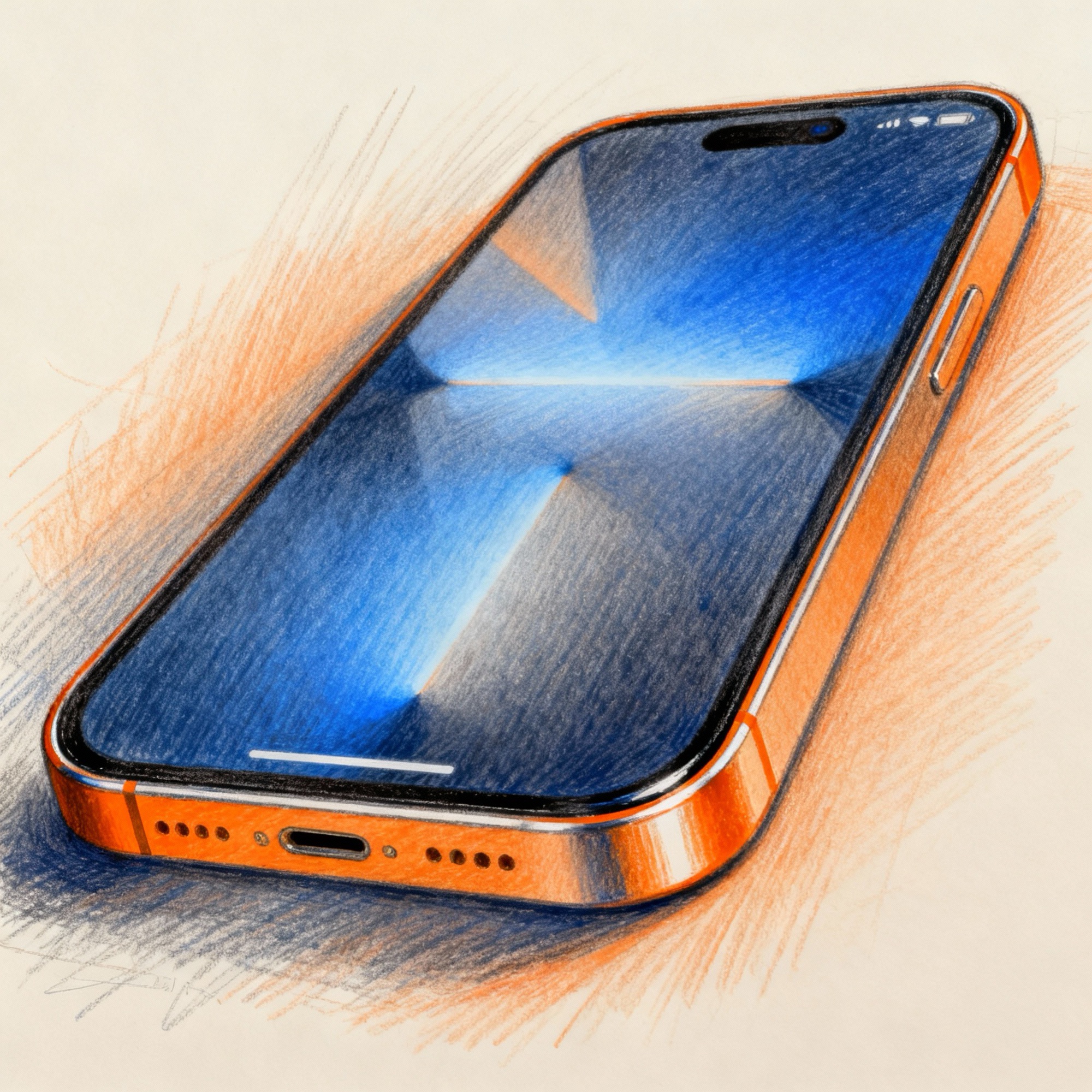
Experience the next level of iPhone 17 with its stunning 120Hz display, offering smooth scrolling and seamless gaming. While the iPhone 16 still has its strengths, the iPhone 17 leads in performance and battery efficiency. Which one is right for you this Christmas? Discover the full comparison now.
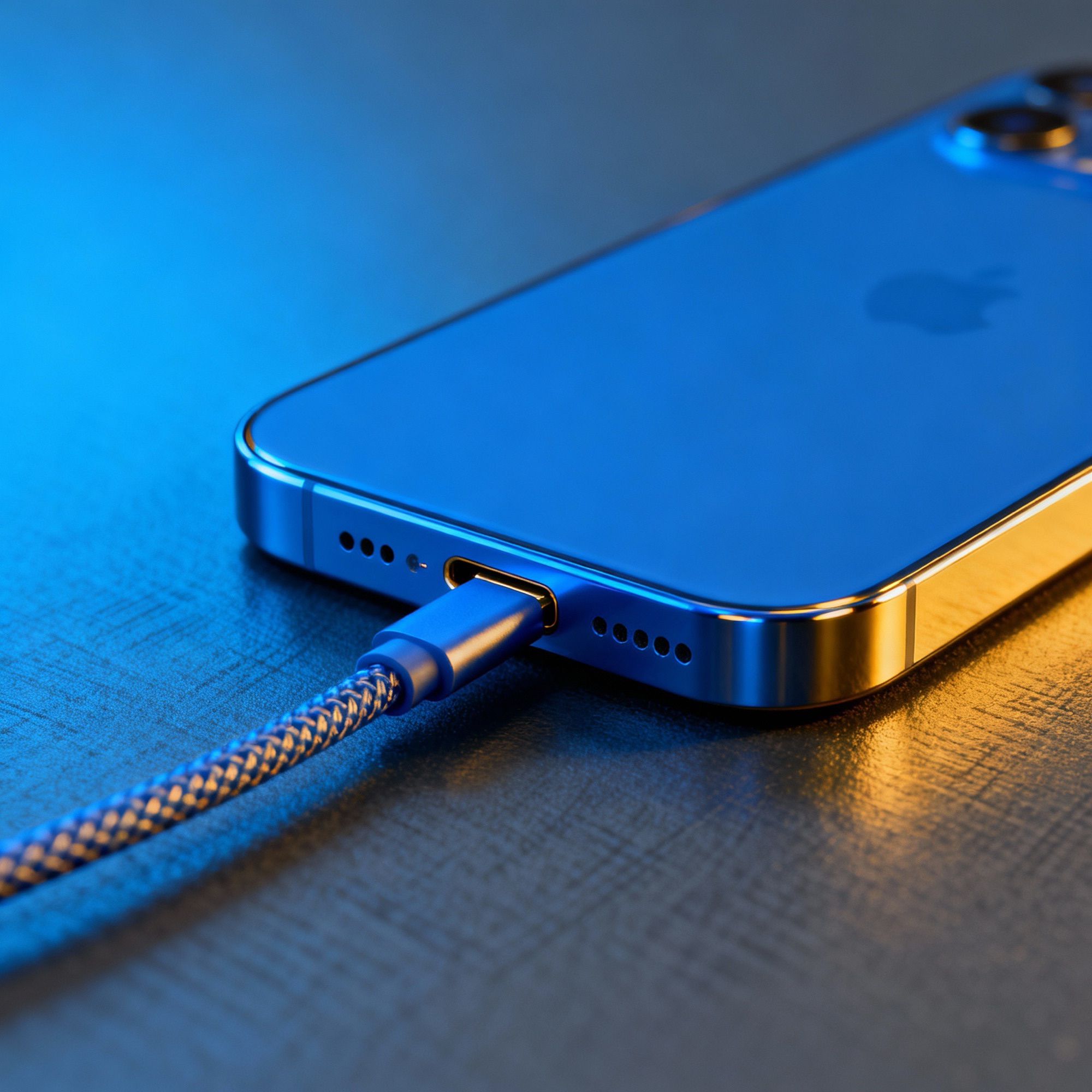
I hear this question weekly from parents: “Should I buy the new iPhone 17, or save money with the iPhone 16?” It’s a genuinely important question because the price difference affects your family budget, but the performance difference affects which phone you’ll actually be happy with for 3-5 years. This guide cuts through the marketing hype and delivers the real data you need to make the right choice for your family this Christmas.
The iPhone 17 marks a significant shift in Apple’s strategy. For the first time ever, the base iPhone gets Pro-level features like 120Hz ProMotion and Always-On display—technology that once cost £1,099+ to access. It doubles base storage to 256GB, adds the new A19 chip, improves cameras across the board, and keeps the same £799 price. But is it worth upgrading from the iPhone 16? Or is the iPhone 16 still a smart buy in 2025? This comprehensive guide explores the real-world differences, benchmarks, durability findings, family features, and long-term value propositions.
The leap from iPhone 16 to iPhone 17 isn’t revolutionary—but it’s meaningful. Here’s what actually matters for families:
iPhone 17: 6.3″ OLED, 120Hz ProMotion, Always-On, 3,000 nits peak brightness, anti-glare coating
iPhone 16: 6.1″ OLED, 60Hz (fixed), no Always-On, 2,000 nits peak brightness
Winner: iPhone 17 by a mile. The 120Hz screen is buttery smooth and genuinely transforms daily use.
iPhone 17: A19 chip, 8GB RAM, Geekbench 6: 3,527 single-core / 8,798 multi-core
iPhone 16: A18 chip, 8GB RAM, Geekbench 6: 3,264 single-core / 7,899 multi-core
Winner: iPhone 17 (~8% faster), but you won’t notice in daily use. The A19 prioritises efficiency over raw speed.
iPhone 17: 48MP main + 48MP ultrawide + 18MP front with Center Stage (adaptive framing)
iPhone 16: 48MP main + 12MP ultrawide + 12MP front
Winner: iPhone 17. 48MP ultrawide is noticeably sharper. 18MP selfies with Center Stage are genuinely better for group shots.
iPhone 17: 3,692 mAh, up to 30h video playback, 50% charge in 20 minutes (USB-C fast charging)
iPhone 16: 3,561 mAh, up to 22h video playback, 50% charge in ~25 minutes
Winner: iPhone 17. Better video battery, faster charging. Real improvement for busy families.
iPhone 17: 256GB base (also 512GB available)
iPhone 16: 128GB base (also 256GB, 512GB)
Winner: iPhone 17. Double the storage at the same price is genuinely generous. Families won’t run out of space.
iPhone 17: Ceramic Shield 2 (3x more scratch-resistant than iPhone 16)
iPhone 16: Ceramic Shield (standard)
Winner: iPhone 17. More scratch-resistant, but both still need screen protectors for kids.
The biggest complaint about the iPhone 16 was its 60Hz screen in a world where rivals (Samsung Galaxy S25, Google Pixel 10, OnePlus 13) all offered 120Hz. Apple finally fixed this with the iPhone 17, and this upgrade is immediately noticeable.
Apple added an anti-reflective coating to the iPhone 17’s screen. In bright sunlight or outdoors, this is genuinely helpful. Combined with the 3,000 nits peak brightness (vs. 2,000 on iPhone 16), outdoor visibility is noticeably improved—perfect for reading messages at the beach or sports events.
The iPhone 17 introduces Always-On functionality: you can now see time, notifications, widgets, and custom clock designs without waking your phone. For families, this is surprisingly practical:
Verdict: Not essential, but genuinely useful for daily workflow.
The A19 is faster than the A18, but Apple’s approach is interesting. Rather than chasing maximum speed (like Qualcomm’s Snapdragon 8 Elite 2), Apple prioritised efficiency. The A19 achieves performance comparable to Snapdragon 8 Elite 2, but uses significantly less power—critical for a phone with a relatively modest battery.
| Benchmark | iPhone 17 (A19) | iPhone 16 (A18) | Real-World Impact |
|---|---|---|---|
| Geekbench 6 Single-Core | 3,527 | 3,264 | ~8% faster, imperceptible in apps |
| Geekbench 6 Multi-Core | 8,798 | 7,899 | ~11% faster, noticeable only in video editing or rendering |
| 3DMark Extreme Graphics | 5,172 | 4,029 | ~28% faster GPU—gaming at high settings feels noticeably smoother |
| Power Efficiency (6W sustained) | Optimised via N3P process | N3 process (less efficient) | A19 runs cooler and throttles less during intensive tasks |
For most families: The performance difference is imperceptible. Both phones handle email, messaging, social media, photo editing, and light gaming without any noticeable lag.
For gaming families: The A19’s GPU improvement is meaningful. AAA games (Genshin Impact, Call of Duty Mobile, Fortnite) run at higher frame rates without thermal throttling. This matters if you’re playing for extended periods.
For video creators: The A19 processes video exports faster. A 2-minute 4K clip export takes ~8% less time on A19—not revolutionary, but it adds up over a year of editing.
Future-proofing: The A19 will likely receive 6 years of iOS updates (iOS 26 through iOS 32 expected). This isn’t significantly different from A18, but it’s worth noting.
Both iPhone 17 and iPhone 16 have identical 48MP main cameras. The upgrade is in the ultrawide lens: iPhone 17 upgrades from 12MP to 48MP ultrawide. For families, this is actually meaningful.
The iPhone 17 introduces Center Stage for the front-facing camera (previously only on iPad). This AI-powered feature automatically frames group selfies and keeps everyone in the shot as people move around. For family video calls, this is surprisingly useful—you don’t have to constantly reposition.
Both phones use computational photography for low-light shots. The iPhone 17’s improved sensor and A19 processing make night mode photos noticeably clearer. Birthday parties, evening events, and indoor school presentations look significantly better on iPhone 17.
Apple claims iPhone 17 lasts up to 30 hours of video playback vs. iPhone 16’s 22 hours. But that’s a lab test under controlled conditions. Here’s what independent reviewers found in real-world use:
iPhone 17 charges to 50% in just 20 minutes (USB-C fast charging). iPhone 16 takes ~25 minutes. For busy families with school runs and activities, this 5-minute difference adds up. If you’re frequently topping up during the day, iPhone 17 is noticeably faster.
Apple guarantees 80% battery health after 500 charge cycles on both devices. In practice, iPhone 17’s larger battery (3,692 mAh vs. 3,561 mAh) means it’ll likely degrade slightly slower, retaining more usable capacity after 2-3 years of family use.
| Metric | iPhone 17 | iPhone 16 |
|---|---|---|
| Video Playback | Up to 30 hours | Up to 22 hours |
| Video Streaming | Up to 25 hours | Up to 18 hours |
| Audio Playback | Up to 80 hours | Up to 70 hours |
| Fast Charge (20W USB-C) | 50% in 20 minutes | 50% in ~25 minutes |
| MagSafe Wireless | 25W maximum | 25W maximum |
JerryRigEverything and iFixit tested durability extensively. Here’s what they found:
iFixit gave iPhone 17 Pro a 7/10 repairability score, and the base iPhone 17 should be similar. Key findings:
Both phones offer IP68 rating (submersion up to 6 meters for 30 minutes). In practice, this means:
Winner for families with young kids: Both are equally durable. The iPhone 17’s Ceramic Shield 2 is marginally better, but it’s not a deciding factor.
This single change might be the most important difference for families. Let’s break down why:
| Storage Tier | iPhone 17 | iPhone 16 | Typical Family Use |
|---|---|---|---|
| Base Model | 256GB (£799) | 128GB (£729) | Adequate for 3-4 years (iPhone 17) vs. 18-24 months (iPhone 16) |
| Mid Tier | 512GB (£899) | 256GB (£829) | Excellent for 5+ years on both |
| Cost Difference | £100 more than mid-tier | £100 more than mid-tier | Same pricing structure, but iPhone 17 gives you 2x base storage |
Translation for your budget: Many families who would have bought iPhone 16 + 256GB (£829) can now buy iPhone 17 + 256GB (£799) and save £30 while getting better hardware. Or upgrade to iPhone 16 + 512GB for the same price as iPhone 17 + 256GB if you want maximum storage.
iPhone 17 and iPhone 16 both support Apple’s Family Sharing ecosystem. If you’re buying for a family, here’s what you can do:
Both phones work identically with Apple ecosystem devices. If you have:
Reality check: This ecosystem advantage is identical on iPhone 17 and iPhone 16. If you’re comparing to Android, the advantage goes to whoever has more existing Apple gear. But between iPhone 17 and 16, there’s no ecosystem difference.
Honest note: iPhone 16 SE feels dated compared to iPhone 17 + 16. The price savings (£200) don’t justify the compromise for most families. Better to buy refurbished iPhone 16 if budget is tight.
Apple has finally done something rare: offered a base iPhone with no meaningful compromises compared to Pro models. The 120Hz display, Always-On screen, 256GB storage, improved A19 chip, better cameras, and faster charging make iPhone 17 the best standard iPhone ever released.
At the same £799 price point, Apple essentially said: “We’re including Pro features in the base model.” This is genuinely consumer-friendly pricing.
The iPhone 16 is still a good phone, but it feels outdated now that iPhone 17 exists. Unless you’re spending under £700, iPhone 17 represents better value over 3-5 years of use.
⭐ Rating: iPhone 17 = 4.8/5 for families | iPhone 16 = 3.9/5 (still good, but dated)
A: Kids notice 120Hz immediately—especially when gaming or scrolling TikTok. They might not understand the technical reason, but they’ll perceive it as “smooth” vs. “choppy.” That said, if they’re not power users, 60Hz is acceptable. But once they experience 120Hz, going back feels sluggish.
A: 256GB is adequate for 3-4 years of typical teen use. If they game heavily (Genshin Impact, Fortnite) and have large photo libraries, 512GB is smarter. For most teens, 256GB is fine. You can always upgrade to a different phone when it fills up.
A: If your iPhone 15 works well, upgrading to iPhone 17 isn’t urgent. The real upgrade jumps are from iPhone 13/earlier or if your battery health has degraded to
A: Not significantly in mixed use. Apple’s claimed 30 hours vs. 22 hours is video-playback specific. In real world usage (apps, gaming, social media), both last a full day. iPhone 17 is faster to charge and handles gaming without throttling, which matters more than raw battery capacity for families.
A: iPhone 18 won’t arrive until autumn 2026. If you need a phone now, iPhone 17 is the right choice. Technology always improves, but waiting indefinitely for the next model is never wise. iPhone 17 will be relevant and supported until at least iOS 32 (2033). Buy now if you need it.
A: Yes, absolutely. The jump from iPhone 12 to iPhone 17 is substantial: 120Hz display, Always-On screen, doubled storage, much better cameras, faster charging, improved durability. Every aspect improves. This is the kind of upgrade that justifies cost.
A: If you buy iPhone 16 for less than £699, it’s still good value. You’ll notice the 120Hz difference but won’t regret it. However, if you’re spending £800+, iPhone 17 is smarter spending. At similar prices, iPhone 17 is the no-brainer choice.
What iPhone does your current phone replace? How many people use it? How many hours daily do you spend gaming, video editing, or taking photos? Reply in the comments or reach out, and I’ll help you pick the perfect iPhone for your needs.
Join the Understand Tech community for more family tech advice, reviews, and recommendations.