Physical Address
304 North Cardinal St.
Dorchester Center, MA 02124
Physical Address
304 North Cardinal St.
Dorchester Center, MA 02124

Your Go-To for Digital Advice
Your Go-To for Digital Advice

Set healthy digital boundaries for your children with expert tips on screen time management. Learn innovative strategies for fostering balanced tech use today!

Setting effective screen time limits for children is crucial in today’s digital age, where screens are an integral part of daily life. This guide will help parents understand the importance of screen time management and provide practical strategies to implement effective limits. By establishing appropriate screen time rules, parents can foster healthier habits that support their children’s development and well-being. Many parents struggle with finding the right balance between screen time and other activities, leading to concerns about their children’s health and social skills. This article will explore age-appropriate guidelines, strategies for creating and enforcing rules, the role of parental control apps, and best practices for managing social media safety.
Want a clear, jargon‑free answer right now? Ask our free AI tech chatbot for UK parents about Roblox, TikTok, screen time and more in seconds – try it here.
Understanding age-appropriate screen time guidelines is essential for parents aiming to set effective limits. The American Academy of Pediatrics (AAP) provides recommendations that help parents navigate the complexities of screen time in relation to their children’s developmental stages.
However, the effectiveness of these guidelines hinges on parents being aware of and adhering to them, as highlighted by recent research.
AAP Screen Time Guidelines: Parental Awareness & Adherence
Recommendations by entities such as the American Academy of Paediatrics (AAP) are intended to provide useful guidelines for parents and caregivers when making decisions about how to manage screen time exposure for young children [5]. However, their utility is limited if caregivers are not aware of or do not adhere to the guidelines.
Explaining adherence to American academy of paediatrics screen time recommendations with caregiver awareness and parental motivation factors: mixed methods … 2022
The AAP recommends the following screen time guidelines for children:
These guidelines emphasise the importance of parental involvement and the quality of content consumed, which can significantly impact children’s development.
It’s worth noting that the AAP regularly revises its recommendations, reflecting ongoing discussions and the evolving understanding of digital media’s impact on children.
New AAP Screen Time Recommendations for Families
The American Academy of Paediatrics (AAP) has just revised its stance on screen time. Sonia Livingstone takes a closer look at the new recommendations and their evidence base. She argues that while the new guidelines fit better with the current circumstances of family lives, the AAP faces a dilemma: there isn’t yet a robust body of research on the effects of digital media on children, yet parents want guidance now.
New ‘screen time’ rules from the American Academy of Paediatrics.
S Livingstone, 2016
Other paediatric organisations worldwide also offer similar age-specific recommendations, consistently highlighting the importance of balancing screen time with other essential developmental activities.
Age-Specific Screen Time Limits & Healthy Habits
The Group recommends that children below 2 years age should not be exposed to any type of screen, whereas exposure should be limited to a maximum of one hour of supervised screen time per day for children 24–59 months age, and less than two hours per day for children 5–10 years age. Screen time must not replace other activities such as outdoor physical activities, sleep, family and peer interaction, studies, and skill development, which are necessary for overall health and development of the children and adolescents.
Indian Academy of Paediatrics Guidelines on screen time and digital wellness in infants, children and adolescents, 2022
Excessive screen time can negatively affect child development and mental health. Research indicates that high screen time is associated with various issues, including:
Understanding these impacts can help parents make informed decisions about screen time limits.
Creating and enforcing screen time rules requires a thoughtful approach that involves the entire family. Parents can establish effective guidelines by considering their children’s needs and preferences.
A family media plan can help set clear expectations for screen time. Here are some effective strategies:
By involving children in the process, parents can create a more cooperative environment for managing screen time.
Establishing screen-free zones can promote healthier habits. Consider these tips:
Implementing these strategies can help create a balanced environment that prioritises face-to-face interactions.
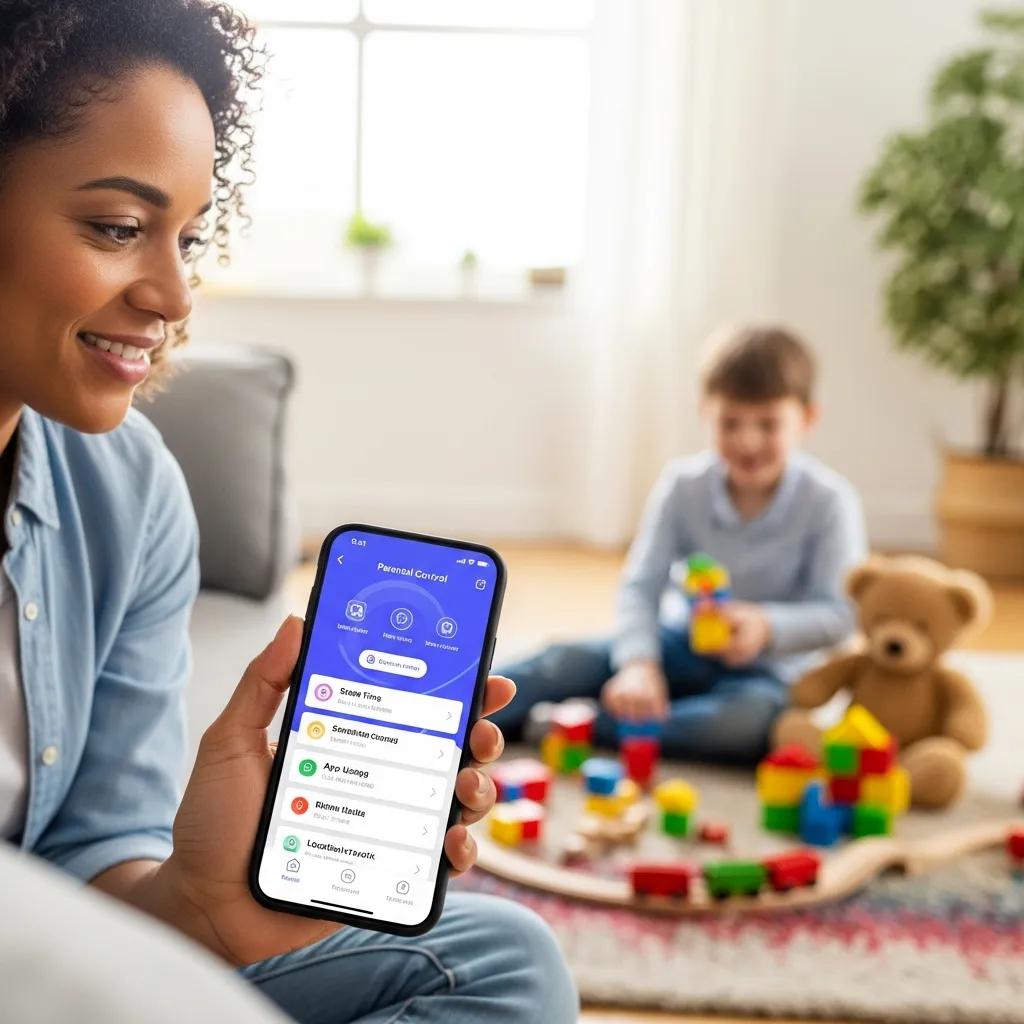
Parental control apps can be valuable tools for managing children’s screen time. These apps offer various features that help parents monitor and limit device usage.
These apps provide parents with the tools needed to enforce screen time limits effectively while ensuring their children’s safety online.
Setting device-specific controls can help parents manage screen time effectively. Here are steps for different devices:
By utilising these built-in features, parents can tailor screen time management to their children’s specific devices.
Social media presents unique challenges for children, including the risk of cyberbullying. Parents must be proactive in managing their children’s online presence.
Recognising signs of cyberbullying is crucial for intervention. Parents should look for:
Open communication about online experiences can help children feel safe discussing any issues they encounter.
Teens should be educated on privacy settings and reporting mechanisms on social media platforms. Key practices include:
By empowering teens with knowledge, parents can help them navigate social media safely.

Fostering digital literacy is essential for preparing children to navigate the online world responsibly. Parents play a key role in this education.
Several educational apps can help children develop healthy digital habits:
These resources can enhance children’s learning experiences while promoting responsible tech use.
AI technologies are increasingly integrated into educational tools, offering personalised learning experiences. However, privacy concerns arise regarding data collection and usage. Parents should:
By addressing these concerns, parents can help children benefit from AI while safeguarding their privacy.
Finding alternatives to screen time is essential for promoting a balanced lifestyle. Parents can encourage various activities that engage children without screens.
Here are some engaging activities that can replace screen time:
These activities not only reduce screen time but also promote physical health and creativity.
Balancing screen time with other essential activities is crucial for children’s overall well-being. Consider these tips:
By implementing these strategies, parents can help children develop a healthy relationship with technology.
Want a clear, jargon‑free answer right now? Ask our free AI tech chatbot for UK parents about Roblox, TikTok, screen time and more in seconds – try it here.