Jordan Peterson on Children, Technology and AI: What Parents Really Need to Know

By Richard / December 2025. I’m not a psychologist, and I don’t agree with Peterson on everything. But when it comes to technology, parenting, and responsibility—his perspective cuts through the noise. He doesn’t demonize tech. He holds parents accountable. That distinction matters.
Peterson’s core argument:
- The problem isn’t technology—it’s parental absence. Screens are used as babysitters instead of tools.
- Children’s brains can’t regulate dopamine-hijacking apps. That’s a biology problem parents need to solve.
- AI and instant answers rob children of struggle—and struggle is where character develops.
- Social media creates a comparison trap that’s connected to rising depression and anxiety in young people.
- Your job isn’t to protect children from the world. It’s to prepare them to navigate it.
The Real Problem Isn’t Technology—It’s Absence
Peterson’s most useful observation about children and screens isn’t what you’d expect. He doesn’t blame the technology itself. Instead, he points to what it’s replacing: parental presence, responsibility, and the difficult work of actually raising children.
In his discussions about modern parenting, Peterson emphasizes that screens are too often used as electronic babysitters—a way for parents to avoid the real, messy, demanding work of teaching, disciplining, and guiding. That’s not a technology problem. That’s a character problem.
“If you give a child an iPad and leave them alone, you’re not raising a child. You’re managing the absence of parenting.”
This is Peterson at his most useful. He’s not condemning technology—he’s pointing out that how we use it reflects something about our values and our willingness to do hard things.
The question isn’t “Is technology bad?” The question is: “Are you using it responsibly, or are you hiding behind it?”
And that, I think, is the distinction that matters. I know I’m laid-back about most things—my wife jokes I’m never in a hurry—but when it comes to my daughter’s development, being easy-going doesn’t mean abandoning responsibility. It means being thoughtful and intentional about why and how we use tech in our home.
Dopamine, Reward Systems, and the Child Brain
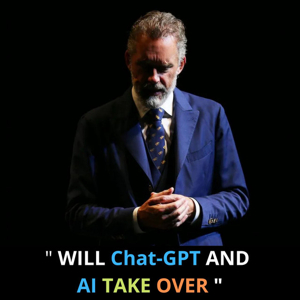
Peterson often discusses how technology hijacks the brain’s reward system—and children are particularly vulnerable because their prefrontal cortex (the part responsible for judgment and impulse control) isn’t fully developed until the mid-20s.
Apps are designed to be addictive. They exploit our brain’s natural dopamine feedback loops. Every notification, every “like,” every bit of new content triggers a hit of dopamine. It’s not accidental. It’s engineered.
A child’s brain isn’t equipped to resist this. They’re biologically predisposed to seek novelty and reward. Giving them access to an infinite dopamine machine—packaged as social media, games, and content platforms—is like giving an alcoholic unlimited access to alcohol and calling it freedom.
“Children cannot regulate themselves biologically. They need structure, limits, and parents who are willing to say no.”
This isn’t about demonizing technology. It’s about recognizing that children need protection not because technology is evil, but because their brains are still developing and can’t yet make sophisticated decisions about reward and risk.
The parental responsibility, in Peterson’s view, is clear: you set the boundaries. Not your child. Not the algorithm. You.
My dad was an engineer. He taught me early that if you don’t understand how something works, you’re vulnerable to it. That’s exactly what’s happening with tech and kids—parents don’t understand the architecture of social media or games, so they can’t explain to their children why these systems are designed to capture attention. Once you understand it, setting boundaries becomes much clearer.
AI, Education, and the Danger of Abdication

Peterson has become increasingly vocal about AI and its implications for education and childhood development. His concern isn’t that AI is dangerous in the abstract—it’s that we’re using it as an excuse to stop teaching children how to think.
When a child can ask ChatGPT to write an essay, solve a math problem, or generate an answer to any question—what are they actually learning? Not just information (that’s easy to look up), but the capacity to struggle, to think, to develop mastery through effort.
Peterson sees this as a catastrophic abdication of parental and educational responsibility.
“If you don’t make your child struggle, you’re not preparing them for life. You’re crippling them.”
The problem with giving kids instant answers via AI isn’t that AI is bad. It’s that we’re robbing them of the struggle that builds character, resilience, and actual competence.
In Peterson’s framework, one of the central duties of parents and teachers is to help young people develop the capacity to handle difficulty. That requires saying “no” sometimes, requiring effort, and letting them experience the productive frustration that comes before mastery.
Technology that removes struggle doesn’t save time—it wastes potential.
Social Media and the Comparison Trap
Peterson frequently discusses how social media has created a crisis of meaning and self-worth, particularly among young people. Everyone is constantly comparing themselves to everyone else—and always losing.
Why? Because social media is a highlight reel. People post their best moments, their best photos, their best versions of themselves. A child scrolling through Instagram is comparing their internal experience (messy, doubting, sometimes depressed) to everyone else’s external highlight. It’s a recipe for despair.

Peterson points out that this isn’t a minor problem. He connects the rise of social media adoption among young people with rising rates of depression, anxiety, and suicide—particularly in girls and young women.
“Social media is a comparison machine. And humans are deeply vulnerable to comparison. We’re not equipped psychologically to compare ourselves to thousands of people constantly.”
This isn’t hysteria. This is observation backed by evidence. And Peterson’s recommendation is direct: limit access, especially for young people whose sense of self is still forming.
But it requires parental courage. Because your child will resist. Their friends are on social media. They’ll feel left out. They’ll say everyone else is allowed.
Peterson’s response? Do it anyway. This is one of the places where parenting requires you to make a decision your child won’t like, and you have to be willing to do that.
The Responsibility to Prepare, Not Protect
One of Peterson’s most important distinctions is between protection and preparation. Many modern parents try to protect their children from all difficulty, all risk, all challenge. Peterson sees this as a fundamental misunderstanding of parental duty.
Your job isn’t to keep your child safe from the world. Your job is to prepare them to navigate the world safely.
With technology, this means:
- Teaching them how algorithms work and why they’re designed to capture attention
- Discussing the nature of social media and why comparison is dangerous
- Helping them understand their own vulnerabilities to reward-seeking
- Modeling responsible technology use yourself
- Setting firm boundaries and being willing to enforce them
- Teaching them that some things are worth the struggle—learning, growth, mastery, real relationships
This requires competence from parents. You can’t teach your child about technology if you’re constantly scrolling. You can’t teach them about struggle if you rush to solve every problem. You can’t set boundaries if you don’t have any yourself.
“Get your own house in order first. Then you have the credibility to guide your children.”
I think that’s why I’ve always been drawn to understanding systems—pulling things apart, seeing how they work, fixing them myself. It’s not just about technology or hobbies. It’s about having the authority to teach because you’ve done the work yourself. You can’t tell your child to be disciplined about screen time if they watch you endlessly scrolling.
The Antidote: Responsibility and Meaning

If Peterson’s critique of technology and modern parenting is sharp, his prescription is even clearer: give children responsibility, purpose, and meaningful work.
A child who is engaged in something genuinely challenging and meaningful—learning an instrument, a sport, a craft, contributing to the family, caring for someone—is far less vulnerable to the dopamine trap of social media and endless content.
Why? Because they have meaning. They’re not empty inside, looking for the next hit of external validation. They’re building something real.
Peterson emphasizes that children need to know they’re useful, that they matter, that their efforts produce real consequences. This comes from responsibility, not from screens.
“If your child has a real job, real responsibility, real consequences—they won’t need to be glued to their phone.”
This might mean a paper route, chores that genuinely matter, involvement in a team or community, caring for a younger sibling, or working toward a skill that takes years to master. The content matters less than the fact that it’s real and requires sustained effort.
What Parents Actually Need to Do
If you strip away Peterson’s philosophical framework, his practical advice for parents is straightforward:
1. Delay social media as long as possible
Your child doesn’t need TikTok or Instagram. The dopamine hijacking and comparison trap are real. Your child’s brain will not be harmed by waiting. It will likely be improved.
2. Limit screen time with structure, not suggestions
Don’t ask your child how much screen time is “fair.” You decide. You’re the adult. Rules without explanation breed resentment. Rules with explanation (grounded in understanding risk) breed respect.
3. Monitor what they’re consuming
You need to know what your child is watching, reading, and engaging with online. This isn’t surveillance—it’s responsibility. You’re the guardian.
4. Model discipline yourself
If you’re on your phone constantly, checking social media, avoiding difficulty with screens, your child will do the same. They’re watching you.
5. Give them real responsibility and meaningful work
A child with purpose doesn’t need endless content. Fill their life with things that matter—family, learning, service, mastery.
6. Be willing to be unpopular
Your child will not like these boundaries. That’s not a reason to abandon them. Part of good parenting is being willing to make decisions your child resents in the short term because they serve their long-term welfare.
The Deeper Message
Peterson’s perspective on technology and children isn’t ultimately about technology at all. It’s about what we believe parenting is for.
If parenting is about making your child comfortable and happy in the moment, then unlimited screens and AI to do their homework makes sense.
If parenting is about preparing your child to become a capable, resilient, meaningful adult who can handle difficulty, who understands their own vulnerabilities, who has developed real skills through struggle—then technology requires careful boundaries and parental courage.
Peterson is clearly in the second camp. And he’s calling parents to step up and do the harder work.
“Raise your children like you mean it. That’s what the world needs.”
It’s a message that cuts through the noise of parenting debates. Not “technology is evil.” Not “let kids do what they want.” But: you have a responsibility to guide, to set boundaries, and to prepare your child for a real life—not a comfortable one, but a meaningful one.
Whether or not you agree with Peterson on everything, that’s a framework worth taking seriously.