
Best Gadgets for Children That Every Parent Loves: Expert Guide to Educational, Safe and Fun Tech
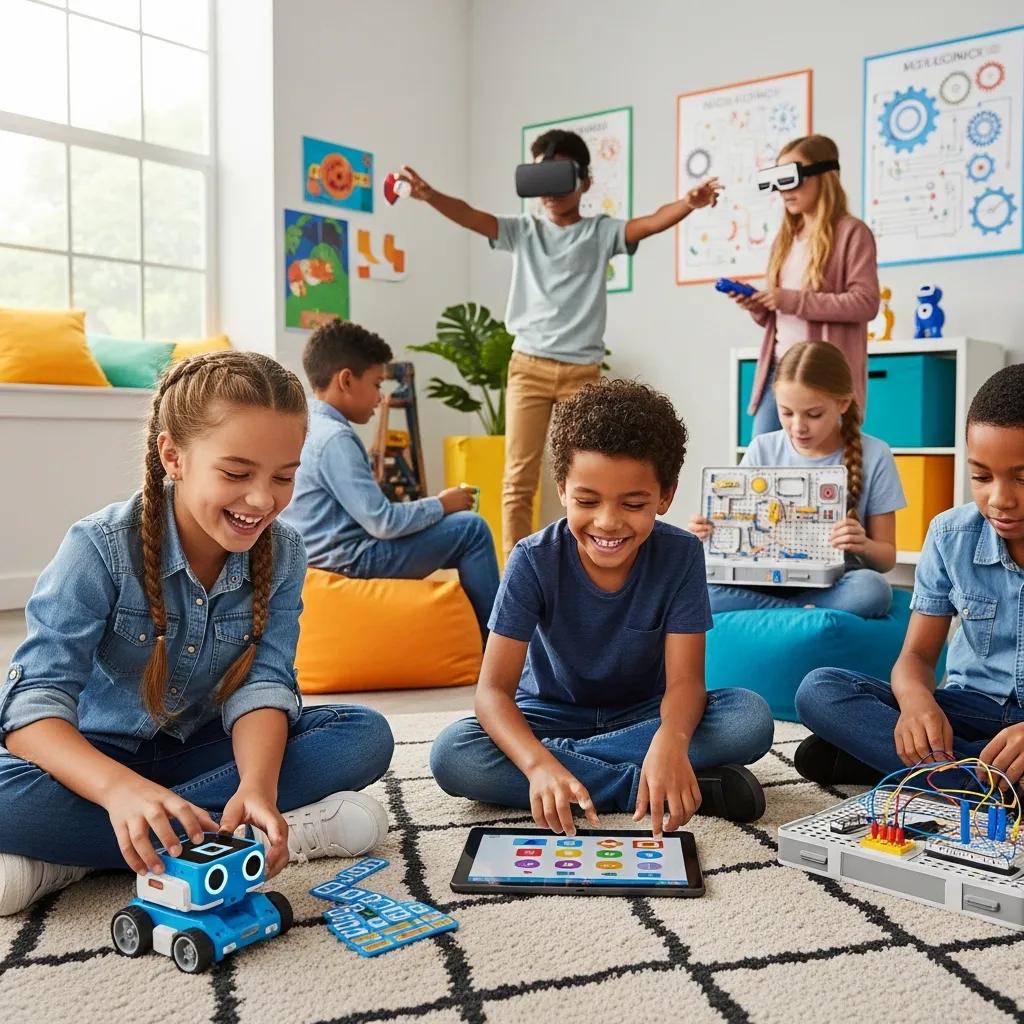
In today’s digital age, selecting the right gadgets for children can be a daunting task for parents. With a plethora of options available, it’s essential to choose devices that not only entertain but also educate and promote safety. This comprehensive guide explores the best gadgets for children that every parent loves, focusing on educational tools, screen-free play options, and smartwatches with GPS for safety. Many parents struggle with finding technology that balances fun and learning while ensuring their child’s safety. This article will provide insights into top educational gadgets, screen-free alternatives, and essential features to consider when choosing tech for kids. We will also delve into parental control solutions and the importance of age-appropriate technology for child development.
Want a clear, jargon‑free answer right now? Ask our free AI tech chatbot for UK parents about Roblox, TikTok, screen time and more in seconds – try it here.
What Are the Top Educational Gadgets for Kids to Boost Learning and Creativity?
Educational gadgets play a crucial role in enhancing children’s learning experiences and fostering creativity. These devices not only engage young minds but also help develop essential skills such as problem-solving and critical thinking. By integrating technology into learning, children can explore new concepts in a fun and interactive way. Some of the top educational gadgets include coding robots and interactive learning tablets, which have been shown to support children’s STEM skills and creativity.
How Do Coding Robots Help Develop Children’s STEM Skills?
Coding robots are designed to introduce children to the fundamentals of programming and robotics in an engaging manner. These devices often come with user-friendly interfaces that allow kids to learn coding concepts through play. For instance, popular coding robots like Botley and LEGO Boost encourage children to solve puzzles and complete challenges, enhancing their logical thinking and problem-solving abilities. By interacting with these robots, children not only learn to code but also develop a strong foundation in STEM education, preparing them for future technological advancements.
Research further supports the idea that early engagement with programming and robotics is foundational for developing crucial STEM skills.
Robotics & Programming for Children’s STEM Skills
Programming and robotics would promote cognitive skills from adolescence, which is crucial for building solid foundations in STEM fostering STEM skills through programming and robotics for motivation and cognitive development in secondary education.
I Torres, 2025
Which Interactive Learning Tablets Engage Young Minds Effectively?
Interactive learning tablets are another excellent tool for boosting children’s creativity and learning. Devices such as the Amazon Fire Kids Edition and the LeapFrog Epic offer a range of educational apps and games tailored to different age groups. These tablets often feature parental controls, ensuring a safe browsing experience. The engaging content available on these devices helps children develop literacy, numeracy, and critical thinking skills while keeping them entertained. Feedback from parents indicates that these tablets enhance their children’s learning experiences, making them a valuable addition to any educational toolkit.
Which Screen-Free Gadgets Offer Safe and Imaginative Play for Children?
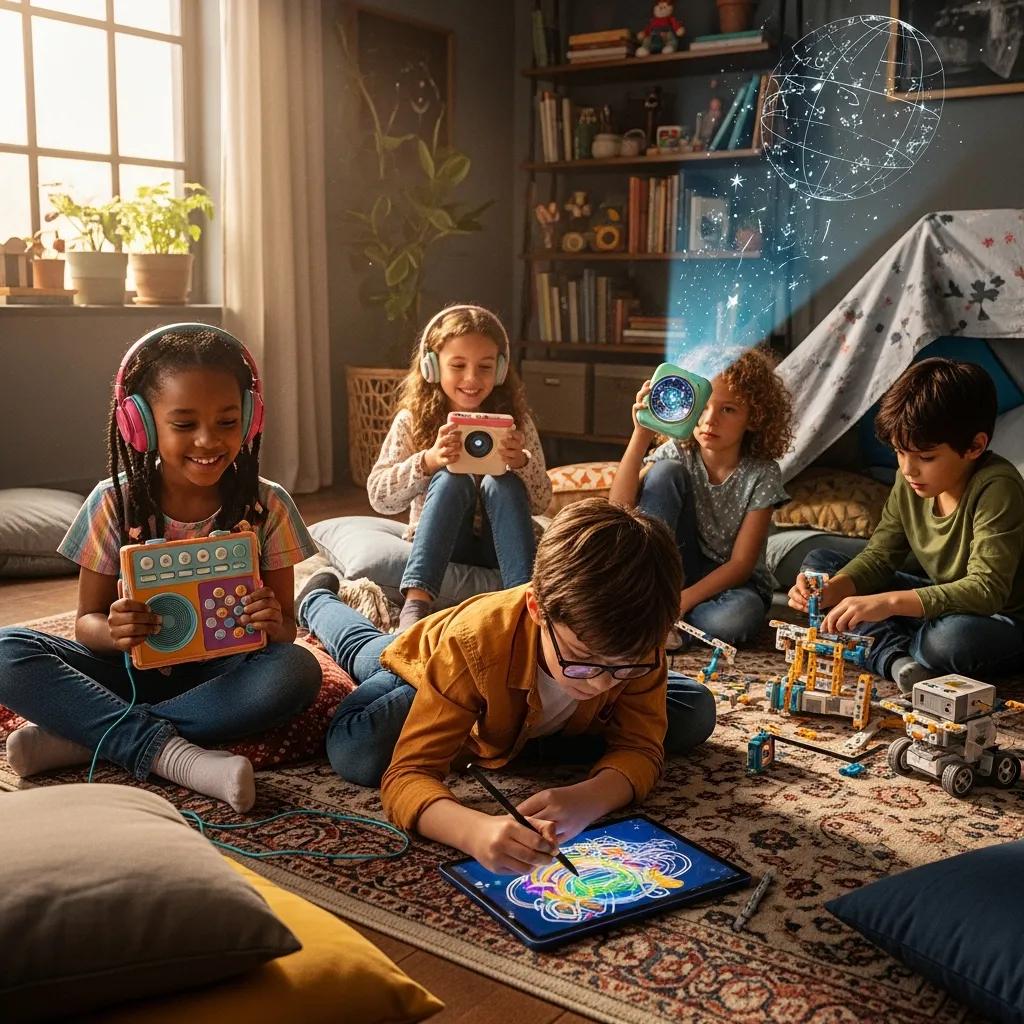
Screen-free gadgets provide children with opportunities for imaginative play without the distractions of screens. These devices encourage creativity and physical activity, allowing kids to engage in hands-on experiences that stimulate their imagination. Some popular screen-free gadgets include audio players and digital art tools, which foster creativity and imaginative play while ensuring a safe environment for children.
This emphasis on screen-free options is particularly important given concerns about the potential negative effects of excessive screen exposure on a child’s developing mind.
Screen Time Impact on Children’s Imagination & Development
Early screen exposure impacts children’s imagination, intellectual dependency, and emotional well-being. Reduced imaginative play due to screen use may affect creativity and problem-solving abilities in adulthood. Intellectual dependency on screens can hinder cognitive autonomy, affecting problem-solving and decision-making skills. Additionally, excessive screen use may lead to emotional urgency and social isolation, impacting social interactions and emotional health. Balancing screen time with activities that promote creativity and social engagement is crucial for healthy development.
The Impact of Early Screen Exposure on Imagination and Intellectual Dependency, MM Amazigh, 2025
What Are the Best Audio Players That Foster Imagination Without Screens?
Audio players designed for children, such as the Yoto Player and Toniebox, offer a unique way to engage young minds without screens. These devices allow children to listen to stories, music, and educational content, promoting imagination and creativity. The interactive nature of these audio players encourages kids to explore different narratives and engage with the content actively. Parents appreciate that these devices provide a safe alternative to screen time, fostering a love for storytelling and auditory learning.
How Do Digital Art Tools Encourage Creativity in Kids?
Digital art tools, such as the Wacom Intuos and Osmo Creative Starter Kit, empower children to express their creativity through art. These devices often come with various features that allow kids to draw, paint, and create digital masterpieces. By using digital art tools, children can experiment with colors and techniques, enhancing their artistic skills while having fun. Feedback from parents highlights that these tools not only encourage creativity but also improve fine motor skills and hand-eye coordination.
How Can Parents Choose Kids Smartwatches with GPS for Safety and Connectivity?

Smartwatches for kids have become increasingly popular as they offer a blend of fun and functionality. These devices provide parents with peace of mind through GPS tracking and communication features, ensuring their child’s safety while allowing them to stay connected. When selecting a smartwatch for children, parents should consider essential safety features and connectivity options to make informed decisions.
What Safety Features Should Parents Look for in Kids Smartwatches?
When choosing a smartwatch for children, parents should prioritise safety features such as GPS tracking, geofencing, and emergency contact options. GPS tracking allows parents to monitor their child’s location in real-time, providing reassurance during outings. Geofencing enables parents to set safe zones and receive alerts if their child leaves these areas. Additionally, smartwatches with emergency contact features allow children to reach out for help if needed, enhancing their safety during daily activities.
How Do GPS-Enabled Smartwatches Provide Peace of Mind for Families?
GPS-enabled smartwatches offer families peace of mind by ensuring that children can be located easily. Many models come equipped with features that allow parents to track their child’s movements and receive notifications if they stray from designated safe zones. Real-life testimonials from parents indicate that these devices reduce anxiety during outings, as they can quickly check their child’s location. This added layer of security fosters a sense of independence for children while keeping parents informed.
Indeed, the core functionality of GPS in smartwatches is specifically designed to offer parents this crucial ability to track their child’s movements.
Children’s Smartwatches with GPS for Safety
The features of the devices vary between devices and apps, but this article will focus on those smartwatches with basic GPS functionality, allowing parents to track the movements of smartwatches for children.
Peace of mind or safety hazard, 2020
What Parental Control Solutions Help Manage Screen Time and Digital Boundaries?
As children engage with technology, managing screen time and setting digital boundaries becomes essential for their well-being. Parental control solutions provide tools for parents to monitor and regulate their children’s device usage, ensuring a healthy balance between screen time and other activities. These solutions can help families establish guidelines for technology use, promoting a balanced lifestyle.
How Do Parental Controls Work on Popular Kids’ Devices?
Parental controls on popular kids’ devices, such as tablets and smartwatches, allow parents to set limits on screen time, filter content, and monitor usage. These features enable parents to customise their child’s experience based on age and maturity level. For instance, many devices offer options to restrict access to certain apps or websites, ensuring a safe online environment. By utilising these controls, parents can foster responsible technology use while encouraging their children to engage in other activities.
What Are Effective Strategies to Balance Screen Time with Healthy Habits?
Balancing screen time with healthy habits involves setting clear guidelines and encouraging alternative activities. Parents can implement strategies such as designating tech-free zones, scheduling regular breaks, and promoting outdoor play. Engaging children in discussions about the importance of moderation can also help them develop a healthy relationship with technology. By fostering open communication and setting boundaries, families can create a balanced approach to screen time that supports overall well-being.
Which Fun and Interactive Tech Gadgets Promote Motor Skills and Social Play?
Interactive tech gadgets can significantly enhance children’s motor skills and promote social play. These devices encourage physical activity and collaboration, allowing children to engage with their peers while developing essential skills. Gadgets such as drones and virtual pets provide opportunities for children to explore their environment and interact with others in meaningful ways.
How Do Kids’ Drones and RC Toys Support Coordination and Engagement?
Kids’ drones and remote-controlled (RC) toys, like the Holy Stone HS210 and the Anki Cozmo, offer exciting ways for children to develop coordination and engagement. These gadgets require children to navigate and control movements, enhancing their hand-eye coordination and spatial awareness. Additionally, flying drones or maneuvering RC cars encourages outdoor play and social interaction, as children often collaborate with friends during playtime. Parents appreciate that these toys not only entertain but also promote physical activity and teamwork.
What Role Do Virtual Pets and AI Companions Play in Responsible Interaction?
Virtual pets and AI companions, such as FurReal Friends and Cozmo, provide children with opportunities to learn about responsibility and empathy. These interactive gadgets require care and attention, teaching children the importance of nurturing relationships. Feedback from parents indicates that these devices foster social skills and emotional intelligence, as children learn to respond to their virtual companions’ needs. By engaging with virtual pets, children can develop a sense of responsibility while enjoying imaginative play.
Why Is Age-Appropriate Tech Important for Child Development and Safety?
Age-appropriate technology is crucial for supporting child development and ensuring safety. Selecting gadgets that align with a child’s developmental stage can enhance learning experiences and promote healthy growth. Understanding the importance of age-appropriate tech helps parents make informed decisions about the devices they introduce to their children.
What Are Recommended Screen Time Guidelines for Different Age Groups?
Screen time guidelines vary by age group, with recommendations from the American Academy of Paediatrics suggesting that children aged 2 to 5 should have no more than one hour of high-quality programming per day. For children aged 6 and older, parents should establish consistent limits to ensure a healthy balance between screen time and other activities. These guidelines emphasise the importance of monitoring content and encouraging interactive experiences that promote learning and development.
How Can Parents Assess the Educational and Safety Value of Gadgets?
When evaluating gadgets for educational and safety value, parents should consider factors such as content quality, safety features, and user reviews. Researching products and seeking recommendations from trusted sources can help parents make informed choices. Additionally, assessing the educational benefits of gadgets, such as their ability to promote critical thinking and creativity, is essential for ensuring that technology supports children’s growth and development.
This table summarises the key features and benefits of various gadgets for children, highlighting their educational value and safety considerations. By understanding these aspects, parents can make informed decisions when selecting technology for their children.
In conclusion, choosing the best gadgets for children involves considering educational value, safety features, and age-appropriate technology. By exploring the various options available, parents can find devices that not only entertain but also support their child’s development and well-being.
Want a clear, jargon‑free answer right now? Ask our free AI tech chatbot for UK parents about Roblox, TikTok, screen time and more in seconds – try it here.