Understanding the Deep Web and Dark Web: What Parents Really Need to Know
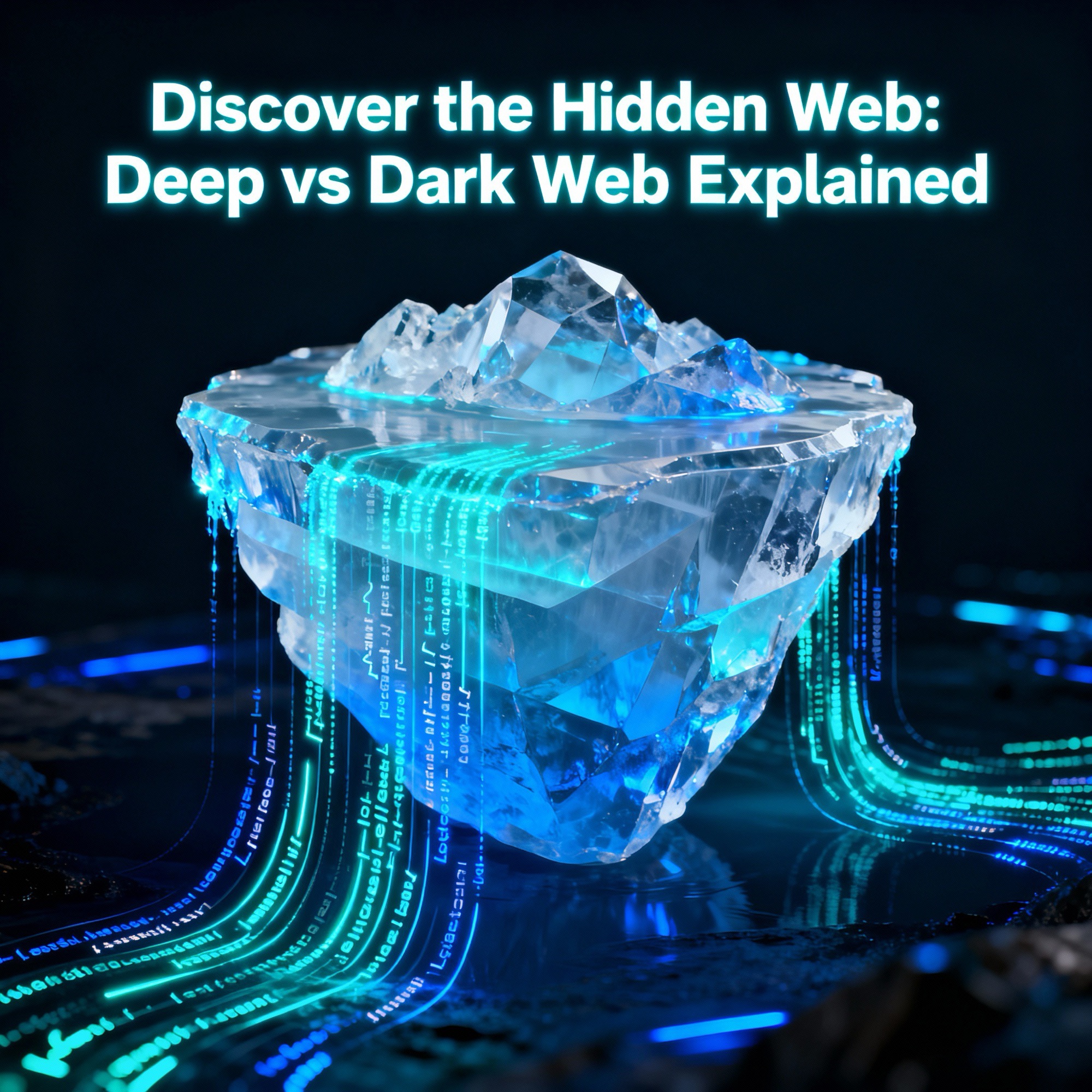
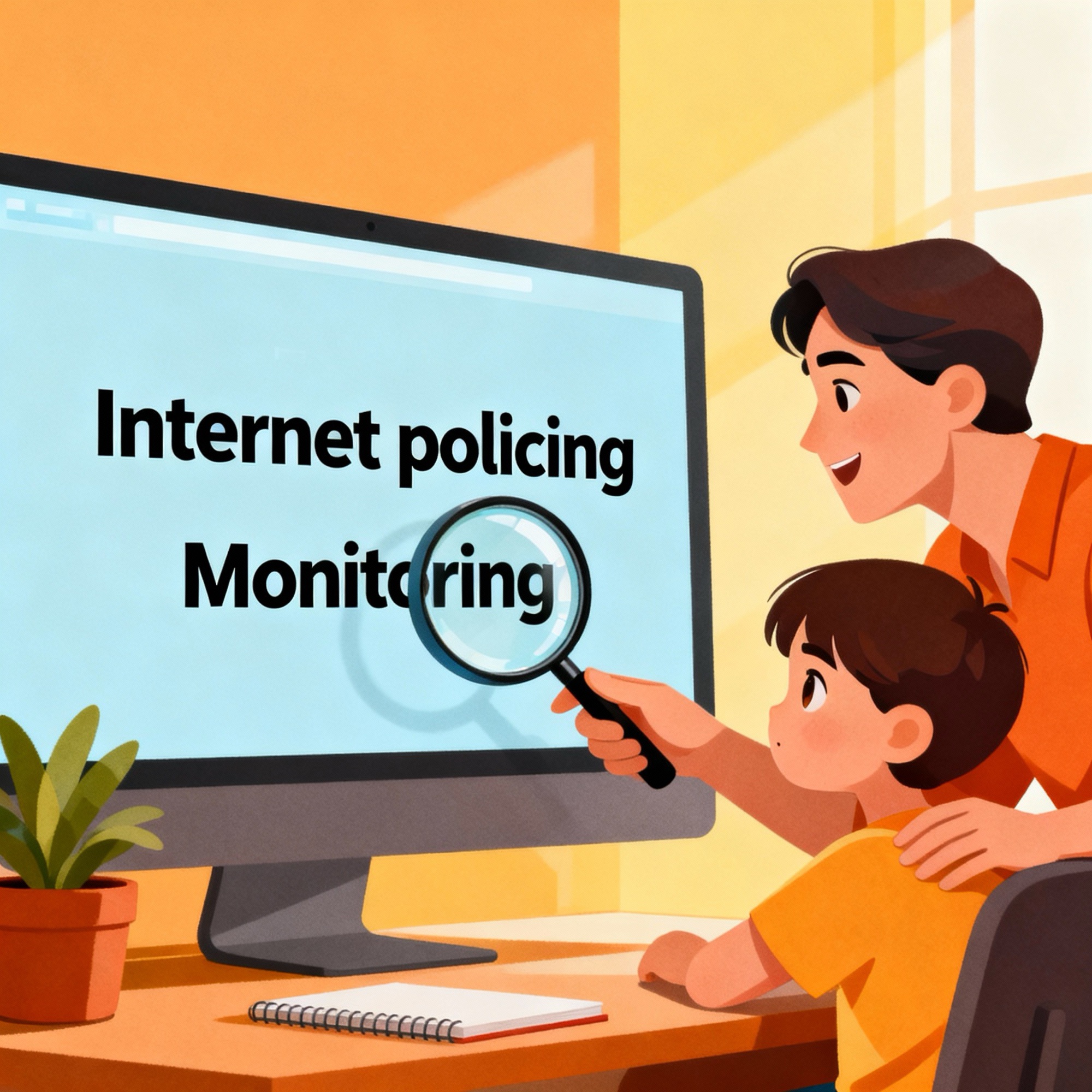 The internet we see every day is only a small fraction of what exists—the rest lies beneath the surface.
I’ve worked in tech long enough to know the internet has corners most people never see. When other parents ask me about “the dark web,” the fear usually outweighs the facts. It sounds mysterious—secret forums, hidden sites, illegal activity—and yes, some of that exists. But beneath the surface web we all use lies a much larger space, most of which is ordinary, private, and perfectly legal. The trouble is, both worlds share the same architecture, and the line between “hidden” and “forbidden” isn’t always clear. Here’s what the deep web and dark web actually are, how they work, the real risks (with data), and what parents actually need to do about it.
The Three Layers of the Internet: Surface, Deep, and Dark
Most people imagine the internet as something flat and uniform. It isn’t. The internet has three distinct layers, and understanding the difference between them is the foundation for keeping your family safe online.
Layer 1: The Surface Web (What You Know)
This is Google, BBC News, YouTube, Wikipedia, online shopping, social media, and every website you can find with a search engine. It’s indexed by search engines and open to everyone. No login required. No mystery.
Estimated size: About 4-5% of the total internet.
Layer 2: The Deep Web (The Hidden Normal)
The deep web is content that search engines can’t access. That includes:
- Your personal email (Gmail, Outlook, etc.)
- Online banking portals
- Cloud storage (Google Drive, Dropbox, OneDrive)
- Subscription services (Netflix, Spotify accounts)
- School portals and student records
- Medical records and healthcare portals
- Academic databases and journals
- Private corporate databases
- Legal documents and contracts
If you’ve ever logged into anything with a password, you’ve been on the deep web. It’s huge, essential, and almost entirely lawful. The deep web isn’t hidden for nefarious reasons—it’s hidden because it’s private. Your email should be private. Your bank balance should be private. Your medical history should be private.
Estimated size: About 95-96% of the total internet.
Layer 3: The Dark Web (The Deliberately Hidden)
The dark web is a small subset of the deep web. It’s intentionally hidden and requires special software—most commonly the Tor browser—to access. It’s designed for anonymity.
The good news: You can’t stumble into the dark web by accident. You have to deliberately download special software, install it, and navigate to specific .onion addresses. It doesn’t show up in Google. It’s not one click away.
The concerning news: The anonymity that makes it useful for journalists, activists, and whistleblowers also makes it attractive to people doing illegal things.
The Scale: What We Know About 2025
Translation: Most Tor users are not on the dark web. Most of them are using Tor to browse regular websites privately—which is perfectly legal and sometimes necessary for people living under censorship. Only about 1 in 15 Tor users are accessing dark web sites on any given day.
How Tor Works: The Gateway to Anonymity
Tor stands for “The Onion Router.” It’s free, open-source software that hides a user’s location and identity by bouncing their internet connection through multiple encrypted layers—like the layers of an onion.
Here’s How It Works:
- You send a request (e.g., to visit a website)
- Tor encrypts your request
- That encrypted request bounces through multiple volunteer relay servers worldwide
- Each layer of encryption is removed one at a time as it passes through relays
- The destination website sees the exit relay’s address, not your real one
- No single server knows both who you are AND where you’re going
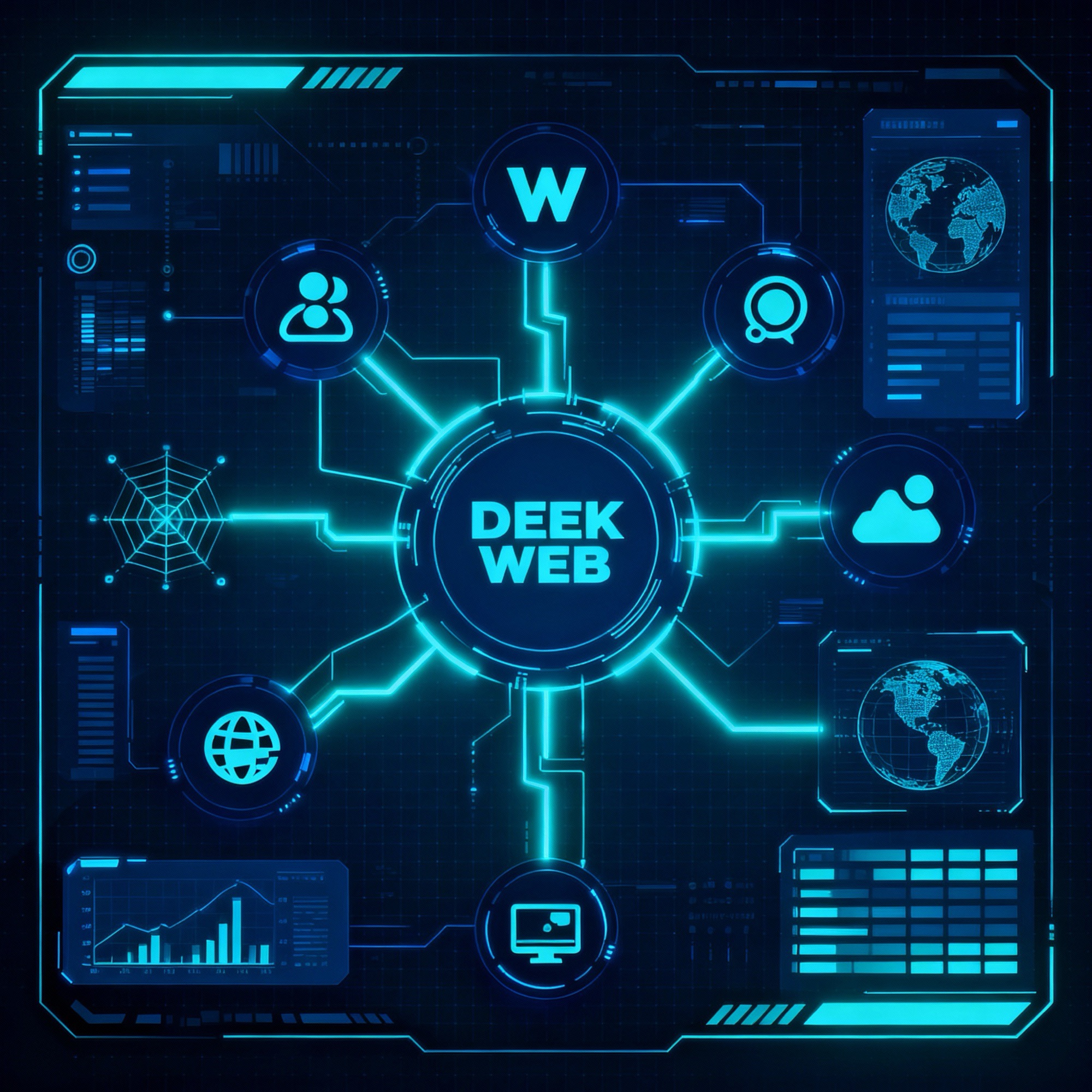 Tor routes data through multiple encrypted layers—providing privacy that can be used for good (protecting activists) or harm (concealing criminals).
Who Uses Tor Legitimately?
- Journalists reporting from countries with censorship
- Activists organizing in repressive regimes
- Whistleblowers leaking information safely
- Domestic violence survivors seeking help discreetly
- Political dissidents avoiding surveillance
- Privacy advocates who believe anonymity is a right
Who Misuses It?
The same anonymity also attracts:
- Drug traffickers
- People selling stolen data
- Cybercriminals
- Extremists
- Predators
Tor itself is not illegal. Downloading and using Tor is legal in most countries. But using it for illegal purposes is not legal, just harder to trace.
What’s Actually on the Dark Web?
The dark web isn’t one giant criminal marketplace. It’s a collection of private sites with “.onion” addresses that don’t appear in Google. Some of these spaces are legitimate and peaceful. Others are not.
Legitimate Dark Web Content
- Academic archives and research papers (some regions)
- Secure messaging platforms (Signal mirrors, encrypted communication)
- Privacy-focused email services
- Discussion forums on sensitive topics (mental health, LGBTQ+ support in countries where it’s illegal)
- Libraries of banned books
- Whistleblowing platforms
Illegal Dark Web Content (The Reality)
- Drug marketplaces: Selling everything from cannabis to fentanyl
- Stolen data markets: 300+ million leaked records in 2025 alone
- Fake IDs and documents: Passports, driver licenses, academic credentials
- Hacking services: Tools, malware, credential theft
- Extremist forums: Recruitment and propaganda
- Child exploitation material: (The most serious and prosecuted content)
- Illegal gambling sites: Often unregulated and rigged
- Weapons trafficking
- Counterfeit goods
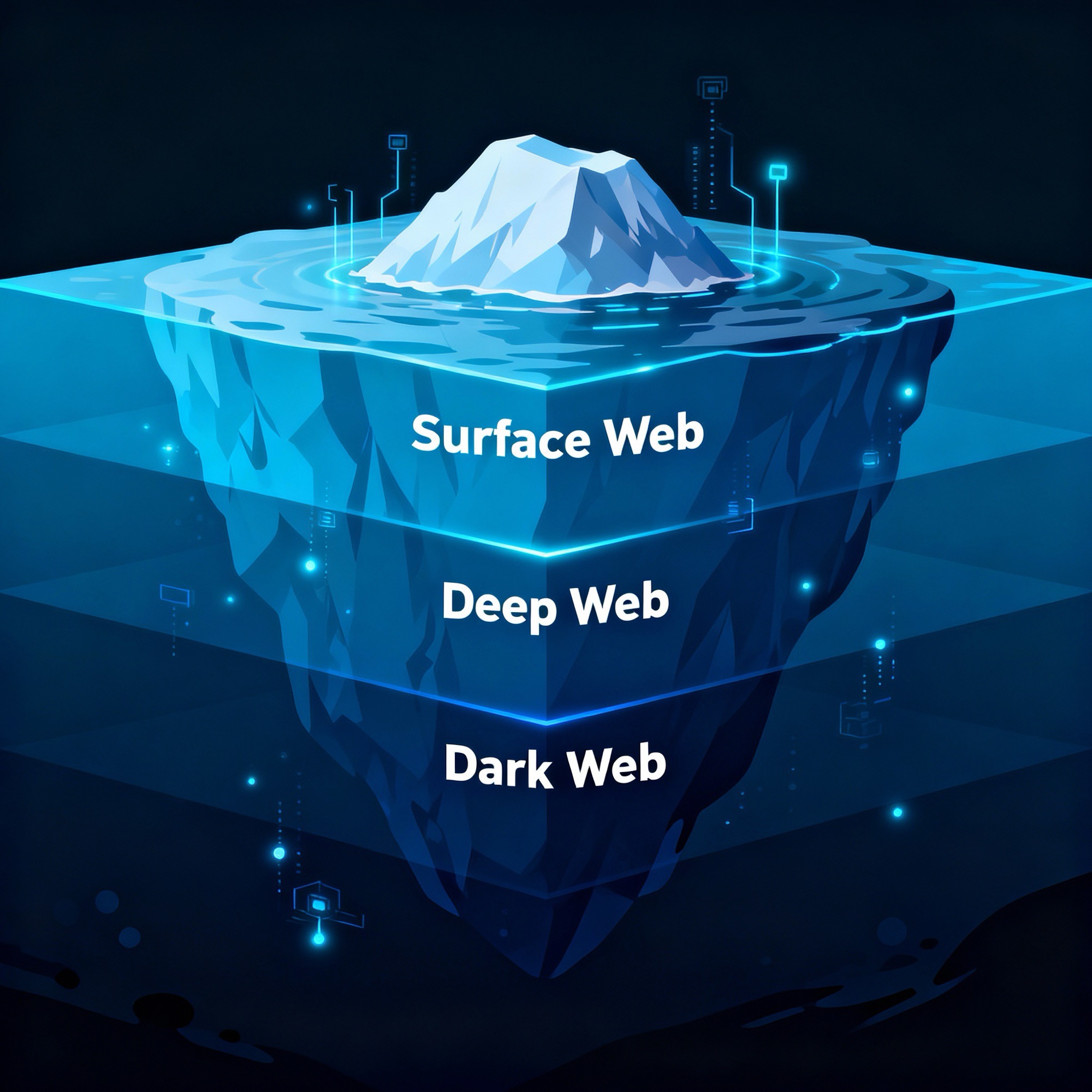 The dark web hosts both legitimate privacy tools and illegal marketplaces. Intent and context determine which is which.
The Economics of Dark Web Crime
- Estimated dark web economy: £1.5 billion+ annually from illegal goods and services
- Stolen 300 million records leaked across 794 breaches in 2025
- Ransomware attacks: Up 55.5% in 2023, affecting hospitals, businesses, government agencies
- Cryptocurrency on dark web: Nearly £17 billion in transactions in 2022
- Identity theft: 65% of all monitored illicit activities on dark web
- Credit card fraud: 15% of dark web activities; 192+ million card listings available
The Real Risks for Young People (With Data)
The main danger isn’t that a child will stumble into the dark web by accident—you can’t. But curiosity, peer pressure, social media rumors, or the desire to look “cool” or rebellious may lead them to explore it. Once there, risks escalate quickly.
1) Exposure to Disturbing Content
The dark web hosts content that would get you permanently banned from every mainstream platform. Without moderation, without filters, without warnings. A young person with curiosity and a Tor browser could end up seeing things they can’t unsee.
2) Scams and Data Theft
The dark web is full of scams. “Hacker kits” that are actually malware. “Cracking tools” that steal your passwords. Downloads that contain trojans. The anonymity cuts both ways—you don’t know who you’re buying from, and they have zero accountability.
Real example: Someone sells “Adderall” online. It turns out to be counterfeit pills or fentanyl. No refund option. No consumer protection.
3) Grooming and Exploitation
Predators use the dark web and Tor to contact children. They hide their age, build trust over weeks or months, and then exploit them. The anonymity makes grooming easier and prosecution harder.
Critical Data on Exploitation and the Dark Web:
- 26% of online child exploitation offenders use Discord, Telegram, or similar platforms to make first contact—but they often move conversations to dark web encrypted messaging once trust is established.
- Law enforcement has investigated 200+ dark web-related child exploitation cases in the past 5 years.
- Operation Deep Sentinel (June 2025): Europol and law enforcement from 6 countries dismantled Archetyp, a major dark web marketplace. They arrested a 30-year-old German admin and confiscated €7.8 million in cryptocurrency.
- Operation Endgame (April 2025): Five arrests targeting malware distribution networks; €3.5 million in cryptocurrency seized; 300 servers and 650 domains neutralized worldwide.
4) Accessing Illegal Drugs
One of the fastest-growing reasons young people use Tor: buying drugs online. They think they’re being “smart”—untraceable, safe. In reality, they’re buying unregulated substances that could be dangerous or counterfeit. They’re also creating a digital trail that law enforcement can follow.
Dark web drug market data (2025):
- Drug sales on dark web increased ~15% in 2022, generating £1.1 billion
- Fentanyl, MDMA, cocaine, and counterfeit prescription pills dominate
- Many products are mislabeled or mixed with dangerous substances
5) Illegal Gambling
Unregulated gambling sites on the dark web target young people. No age verification. No limits. No consumer protection. The sites are often rigged. Young people lose money they don’t have, often in cryptocurrency, with no recourse.
6) Contact From Extremists
Extremist recruitment often starts on mainstream social media, but moves to dark web forums for deeper indoctrination. The anonymity makes it easier for recruiters to target and radicalize vulnerable young people.
7) Loss of Parental Controls
Once someone downloads Tor, parental controls become less effective. Tor bypasses many device-level restrictions.
Is the Dark Web Policed? (Yes—But It’s Complicated)
Law enforcement agencies worldwide have specialized cybercrime units. They actively monitor the dark web. They conduct sophisticated investigations. They take down major marketplaces.
But here’s the reality: The decentralized nature of Tor and the dark web means it’s like playing digital whack-a-mole. Each site that gets shut down teaches others how to hide better. New sites appear. Criminal networks adapt.
Major 2025 Takedowns
- Operation Minerva (June 2025): French law enforcement arrested five individuals responsible for BreachForums, one of the world’s most notorious cybercrime platforms. The platform had facilitated millions in damages globally.
- Operation Deep Sentinel (June 2025): Archetyp marketplace (600,000 users, 5-year operation) dismantled by coordinated international effort. €7.8 million in assets frozen.
- Operation Endgame Phase 2 (April 2025): Targeted malware distribution customers; 5 arrests; €3.5 million seized; 300 servers neutralized.
- Operation Secure (2025): 216,000+ victims identified; 22,000 malicious IP addresses neutralized; thousands of domains seized.
 Law enforcement monitors dark web activity through specialized units, but the decentralized nature of Tor means new marketplaces frequently replace old ones.
The Catch
For every marketplace taken down, several new ones appear. Criminal networks are increasingly decentralized and harder to target. And because of Tor’s design, law enforcement often needs multiple agencies and years of investigation to build a case.
Translation for parents: The dark web is not completely lawless. But it’s not fully policed either. It’s a space where people can act with relative impunity—especially if they’re careful.
How to Talk About the Deep and Dark Web With Your Child
The best defence is understanding. Avoid scare tactics; they often make curiosity stronger. Instead, talk about how the internet is structured, why some areas exist, and what good judgment looks like.
Five Ways to Keep the Conversation Calm and Practical
- Explain the internet’s layers in simple terms: “Most websites are on the surface. Some require passwords—that’s the deep web. And there’s a tiny part that’s deliberately hidden and requires special software. We don’t go there.”
- Reinforce that not everything hidden is bad, but much of it isn’t for kids: “Privacy is good. But privacy can also hide bad things. We need to be careful about what we’re curious about.”
- Discuss the value of privacy vs. the danger of secrecy: “Your email is private—that’s good. But if you’re hiding what you’re doing online from us, that’s different. That’s secrecy, and that’s when we need to talk.”
- Set device-level controls and discuss why: “We’re not trying to spy on you. We’re trying to make sure you don’t end up in spaces that could harm you—accidentally or on purpose.”
- Encourage your child to come to you if they see something worrying: “If you ever accidentally end up somewhere that feels wrong or scary, tell us. You won’t get in trouble. We need to know so we can help.”
How to Frame It (Real Scripts)
 Honest conversations beat fear every time. Understanding removes mystery and builds trust.
Red Flags: What to Actually Watch For
Not every odd online behavior means your child is on the dark web. But these patterns are worth paying attention to:
- New software suddenly on their device: Tor, VPN, or other anonymity tools you don’t recognize
- Secretive behavior with their device: Closing tabs quickly, hiding the screen, using it only in private
- Talk of “hacks” or “tools”: Vague references to downloading things from online
- References to Tor or “.onion sites” from friends or at school
- Sudden interest in cryptocurrency: Without a legitimate reason (school project, genuine investment interest)
- Unacknowledged packages arriving at your house
- Contact from strangers offering “opportunities” or “free things”
- Mood changes after online activity: Anxiety, excitement, secrecy
If You Discover Your Child Has Downloaded Tor:
Don’t panic. Don’t explode. Come from a place of curiosity and concern, not punishment. Ask:
- “Tell me about this. Why did you download it?”
- “What were you trying to find or do?”
- “Has anyone asked you to download this or use it?”
- Listen. Don’t interrupt. Get the full story.
Then decide if this is a teachable moment or if you need professional help (counselor, therapist, or in serious cases, law enforcement).
Practical Steps to Protect Your Family
At Device Level
- Enable parental controls: Most devices have built-in app restrictions
- Monitor app installations: Require approval before new software is downloaded
- Use a DNS filter: Services like OpenDNS or Cloudflare for Families block access to known malicious sites
- Keep devices in shared spaces during the learning phase
- Regular conversations about online activity: Not interrogations—genuine interest
At Home Level
- Internet-level controls: Some routers have built-in filtering
- Clear family policies about online behavior
- Regular check-ins: What are they curious about online? What are their friends talking about?
- Education over punishment: Understanding why they want to explore matters
At Relationship Level (Most Important)
- Build trust so they come to you with questions and concerns
- Model good digital behavior yourself
- Have ongoing conversations, not one-off lectures
- Make it safe to admit mistakes without automatic punishment
In the End: Light Beats Fear
The deep and dark webs aren’t monsters under the bed. They’re simply parts of a vast, human-built network. The technology that enables privacy can be used for both protection and harm. The difference lies in intent, understanding, and communication.
For parents, the goal isn’t to lock every digital door. It’s to make sure our children know what’s behind them and when to knock.
The more we explain, the less mysterious it feels. And the less mysterious it feels, the safer our families become online.
Remember: Knowledge is your best tool here. You don’t need to be a cybersecurity expert. You need to be informed, calm, and willing to have honest conversations. That’s what keeps families safe.